You absolutely, positively will catch the omicron variant of COVID.
Everyone in this photo will catch COVID though some, lacking symptoms, won’t realize it.
Your family will catch it. Your friends will catch it. Everyone you know, and complete strangers all will catch it. Everyone. You will not be able to avoid it.
The only question: How sick will you get?
Some people won’t even notice any symptoms. Others may have sniffles or upset stomach. Some will need to be hospitalized.
Some will die.
Will wearing a mask, help? Masking and avoiding crowds may delay but not prevent the infection. The sole purpose of masking and other efforts will be to space out the need for hospitalization, thus helping to prevent overcrowding.
Other than that, you will find no way to avoid the virus.
What can I do? Vaccinate. Get the initial vaccinations and then get the boosters. This will help keep you from extreme illness and death.
You people who refuse to vaccinate will become sicker and more of you will die. It’s nature’s way of culling the less intelligent and thus, improving the human gene pool.
Everyone will catch the virus, but red states will do worse than blue states, and Republicans will do worse than Democrats.
Here is the latest from Science News:
The omicron variant is surging. Here’s what we’ve learned so farIn the weeks since omicron emerged, the variant has been identified in more than 85 countries. In many of these places, omicron infections are rising fast.Omicron is responsible for nearly all new COVID-19 cases in South Africa, and is already the predominant version of the coronavirus in London. The European Centre for Disease Prevention and Control estimates that omicron will be the most common variant across the European Union by mid-January.In the United States, omicron now appears to reign. The variant was responsible for an estimated 73.2 percent of new infections across the country for the week ending December 18, according to the U.S. Centers for Disease Control and Prevention’s predictions. That’s up from an estimated 12.6 percent the previous week and 0.7 percent the week ending December 4. Omicron now accounts for an estimated 92 percent of new cases in New York and New Jersey and 96.3 percent in Washington, Oregon and Idaho.With that in mind, omicron is likely to worsen the surge that is unfolding across the United States. Some places, including New York City, are already seeing large spikes in COVID-19 cases with numbers rising fast.The CDC said the Omicron variant now accounts for 73 percent of new cases in the U.S.It currently takes about two days for the number of omicron cases to double, CDC director Rochelle Walensky said. Highly infectious delta, in comparison, doubled every two weeks at.Preliminary data from the United Kingdom show that omicron is around 3.2 times as likely to spread among households as delta is.And people exposed to omicron may get sick faster — and therefore be able to spread the virus sooner — than people exposed to other variants. At a company Christmas party in Norway the median time that a person exposed at the party developed symptoms was three days. It takes slightly longer for delta infections to cause symptoms — around four days — and about five days for non-delta variants.Some preliminary studies done in lab-grown cells hint that omicron may turn out to be more transmissible than delta, though how much more is unclear. One reason may be because the new variant might make more copies of itself inside host cells than other variants do.Vaccines may be less effective against omicron, but boosters offer hope. Early studies suggest that vaccines will still protect us, especially after getting a booster shot.Lab-based studies of neutralizing antibody responses are a hint that protection from vaccines or previous infection might be diminished. Many of these same studies suggest that a third dose boosts antibodies back up to levels that should be protective against omicron.A study in South Africa, for instance, found that the effectiveness of two doses of Pfizer’s vaccine at stopping infection dropped from 80 percent pre-omicron to 33 percent during the omicron wave.Antibodies from people who had previously been infected but not vaccinated also perform poorly against omicron.There was a less dramatic drop in the shot’s effectiveness at preventing hospitalization. Before omicron, the jab was 93 percent effective; it decreased to 70 percent amid the new surge.Experts expect that vaccines will largely keep vaccinated people out of the hospital. But with many people still unvaccinated across the United States, only time will tell whether the beginning of 2022 will be as devastating as the start of 2021.
The bottom line:
Omicron is far more infectious than delta or previous variants.
Masks and social distancing will slow, but not prevent, the spread of the disease. Eventually, everyone will get it, though some may not have symptoms.
A previous COVID infection will not protect you from the omicron variant.
While vaccination does not provide total protection, it increases the odds you will not be sick enough to require hospitalization or die. The jab may save your life.
Politicians who discourage vaccination on the basis of “freedom,” merely are giving their constituents the freedom to sicken and die.
Rodger Malcolm Mitchell
Monetary SovereigntyTwitter: @rodgermitchellSearch #monetarysovereigntyFacebook: Rodger Malcolm Mitchell
……………………………………………………………………..
THE SOLE PURPOSE OF GOVERNMENT IS TO IMPROVE AND PROTECT THE LIVES OF THE PEOPLE.
Gap Psychology describes the common desire to distance oneself from those “below” in any socio-economic ranking, and to come nearer those “above.” The socio-economic distance is referred to as “The Gap.”
Wide Gaps negatively affect poverty, health and longevity, education, housing, law and crime, war, leadership, ownership, bigotry, supply and demand, taxation, GDP, international relations, scientific advancement, the environment, human motivation and well-being, and virtually every other issue in economics.Implementation of Monetary Sovereignty and The Ten Steps To Prosperity can grow the economy and narrow the Gaps:
Ten Steps To Prosperity:
DINO, Trojan horse, coal-whore
Sen. Joe Manchin is a DINO (Democrat In Name Only), who is a Trojan horse, coal-whore in a right-wing state.
Why he persists in claiming he’s a Democrat is something of a mystery.
He hints at switching to the GOP, but from the right-wing perspective, Manchin can do more harm to the Democrats as a DINO than as a Republican.
“Stay right were you are, Joe,” they pray, “and keep doing nothing worthwhile.
He has done the Democrats and Americe even more harm than has Sen. Mitch McConnell, because Manchin has strung the Dems along, and strung them along, wasting their precious time by hinting he would cooperate, then at the last moment, pulling the rug out from under them.
He repeatedly told Biden and the Dems what he wanted, and when they tried to meet his demands, he changed. Waiting, hinting, changing, posing as a “moderate,” he could not have done a better job of sabotaging the Democrats’ program. He played a perfect GOP game.
Finally, he said (on FOX News, of course), “I cannot continue with this piece of legislation. I just can’t. I’ve tried everything humanly possible. I can’t get there.”
Oh, the pain. The struggles this poor man has endured. We surely are expected to admire his agonizing attempts to avoid helping the poor people of West Virginia.
And what is it that Manchin claims to want? A smaller package. Why? Because it’s “too big.”
What does “too big” mean? He never explains.
This gets us to his two Big Lies.
It would have increased the unsustainable federal deficit and debt. But because the federal government is Monetarily Sovereign, and has the unlimited ability to create its own sovereign currency, the size of the federal deficit and debt is financially meaningless. It is completely “sustainable.”
Even if the federal government were presented with a bill for $100 trillion, today, it could pay that bill tomorrow, with no difficulty at all, and without collecting a penny in taxes.
But that would cause inflation. Except it wouldn’t.
Inflation never is caused by federal deficit spending. In fact, inflation can be cured by federal deficit spending.
Inflation always is caused by shortages of key products and services. Curing inflation involves curing those shortages, which can be accomplished via federal deficit spending to purchase and distribute the scarce goods and services.
Read the bill to see what Manchin’s sabotage has cost America: This Transformational Bill Creates Jobs, Cuts Taxes, and Lowers Costs for American Families
It would have been an astounding program that would have enriched all of America while narrowing the Gapbetween the rich and the rest.
Quoting from Rep. Jan Shakowsky, this is what Manchin and the Big Lie have cost you (while keeping in mind that this would not have cost you and your fellow taxpayers one cent, and would not have caused inflation).
H.R. 5376, The Build Back Better ActThis Transformational Bill Creates Jobs, Cuts Taxes, and Lowers Costs for American FamiliesThe Build Back Better Act delivers once-in-a-generation action to lower the everyday costs that burden working families – from health care to child care & more.The Build Back Better Act lowers costs and fights inflation. No one making under $400,000 will pay a penny more in taxes.Together, the bipartisan infrastructure bill and the Build Back Better Act will create an average of 2 million jobs each yearover the course of the decade. The Build Back Better Act focuses its investments in the following three key areas:Lower Health Care CostsFinally negotiating lower drug costs for seniors and halting Big Pharma’s outrageous price hikes above inflation for all Americans.Ensuring Americans with diabetes don’t pay more than $35 per month for their insulinCreating a new, out-of-pocket cap of $2,000 on what seniors pay for their drugs in Medicare Part D.Expanding the ACA to make coverage more affordable for those who buy insurance on their own. Dramatically lowers premiums in the ACA Marketplace, with individuals seeing a reduction in their premiums of more than $800 per year. Expands the ACA to cover those in the states that have refused to adopt the Medicaid expansion.Helps older Americans access affordable hearing care by expanding Medicare.Lower Child Care & Family Care CostsSaves most families more than half their current spending on child care, ensuring the vast majority of families will have to pay no more than 7 percent of their income for child care.Expanding the basic promise of free schooling in America for the first time in 100 years with universal pre-school for all 3- and 4-year olds.Establishes a universal and permanent paid family and medical leave program, providing four weeks of paid parental, family caregiving, and medical leave.Gives more than 35 million families a major tax cut by extending the Biden Child Tax Credit.Expands access to high-quality home care for older adults and people with disabilities.Cuts the cost of postsecondary education, with such steps as increasing the maximum Pell Grant.Reduces families’ housing costs and expands housing options, with a major housing initiative.The Largest Investment to Combat Climate Crisis in HistoryBuild Back Better is the largest effort to combat climate change in American history, investing $555 billion over 10 years in clean energy and climate investments.Green tax credits will save the average American family hundreds of dollars per year in energy costs.Ensures clean energy technology – from wind turbine blades to solar panels to electric cars – will be built in the United States, creating hundreds of thousands of good jobs here at home.
=====================================================
TITLE I: Committee on AgricultureMaking Critical Investments in Agricultural Research and InfrastructureProvides $2 billion for agricultural research to advance American food and agriculture system’s global competitiveness, innovation, infrastructure, food security, equity and climate change resilience.Funds the Foundation for Food and Agriculture to leverage public private partnerships and deploy solutions to urgent climate and food security solutions.Includes $1 billion for 1890, and 1994 Land-Grant, and other Minority Serving Institutions (MSIs) to continue developing a pipeline of diverse talent serving the food and agriculture sector and ensure that MSIs have equitable resources to continue delivering competitive research.Invests in urban agriculture to enhance the opportunity for urban communities to strengthen their agricultural production, equitable food access and food waste reduction efforts.Strategic Conservation Investments: More than $28 billion for critical conservation initiatives including:Environmental Quality Incentives Program: Includes $9 billion for the EQIP – a voluntary conservation program supporting farmers and forest managers with conserving & improving natural resources on their land.Regional Conservation Partnership Program: Commits $7.5 billion for RCPP to support conservation, restoration and sustainable use of soil, water and wildlife on a regional and watershed scale.Soil Conservation: $5 billion for Soil Conservation Assistance for producers who establish cover crops for soil health.Conservation Stewardship Program: Includes $4.1 billion for CSP – the largest conservation program in the United States – to encourage conservation of soil, water, air and other related natural resources on private lands.Agricultural Conservation Easement Program: Funds ACEP at $1.7 billion to help private and tribal landowners, land trusts and local and state governments protect croplands and grasslands on working farms and ranches by limiting non-agricultural uses of the land through conservation easements as well as enhancing and restoring wetlands for water quality and wildlife benefits.Creating Good Jobs & Modernizing Water and Energy Resources for Rural CommunitiesModernizing Energy and Water Systems: Provides $18 billion in rural job creating investments to ensure our rural communities and those residing on tribal lands have access to clean water and reliable, efficient and renewable energy.Clean Energy Transition for Rural Communities: Includes $15 billion for rural communities, small businesses and rural electric co-ops to transition to renewable energy practices as well as a more resilient, reliable, and effective energy grid.Lead-Pipe Replacement: $10 billion for the full replacement of lead services lines in drinking systems throughout the country – of this allocation, $1 billion is included in this title for USDA efforts.Commits $1 billion to renewable biofuels infrastructure important to farmers and our fight against climate change.Includes $1 billion to create a new Rural Partnership Program to provide flexible grant funding for rural community growth, building economic resilience, and aiding economic recovery for vulnerable communities.Investing in Healthy Resilient ForestsCombating Forest Fires and Contributing to Healthy Forests: Invests $26.95 billion in forest resilience initiatives to ensure our public and private lands have the resources necessary to address increasingly devastating fire seasons, restore forest ecosystems, improve watershed and address climate change.Debt Relief for FarmersProviding Critical Financial Relief for Farmers in Need: $12 billion in debt relief for farmers in need and for USDA to tailor its programs to support new and existing farmers through outreach, education and technical assistance. Importantly, this is offset by $6 billion from the American Rescue Plan Act.TITLE II: Committee on Education and LaborDramatically Lowering the Cost of Child Care for Working FamiliesDramatically lower the cost of child care for many families. Under the bill, the vast majority of families would not pay more than seven percent of their income on child care, representing an enormous savings from what they pay now. The bill invests a total $390 billion for the child care initiative and the universal preschool initiative.Under the bill, child care providers would also have resources to raise wages for child care workers and expand available supply to serve more children and families.Universal Preschool for 3-and 4-Year-OldsUniversal preschool for three- and four-year-olds. The bill invests a total of $390 billion for the child care initiative and the universal preschool initiative.Providing $9 Billion in Investments in HBCUs, TCUs, and MSIs$3 billion in a competitive grant program to improve the research capacity and research and development infrastructure at four-year Historically Black Colleges and Universities (HBCUs) Tribal Colleges and Universities (TCUs), and Minority-Serving Institutions (MSIs). The competitive grant program will consist of planning grants for a period of one to two years and implementation grants for a period of one to five years.$6 billion in institutional aid grants to HBCUs, TCUs, and MSIs, which can be used by these institutions to strengthen their academic, administrative, and fiscal capabilities and award need-based financial aid to low-income students.Providing $12.5 Billion to Lower the Cost of Higher Education for StudentsIncreases the maximum Pell Grant by $550.Expands federal financial aid to individuals with DACA, TPS, and DED status.Provides the maximum Pell Grant to students who receive federal means-tested public benefits.Providing $500 Million for Retention and Completion GrantsThe bill provides $500 million for retention and completion grants to support the scaling of practices that have been shown to be successful in improving student outcomes, including retention, completion, and transfer rates, and labor market outcomes, with a particular emphasis on improving outcomes among underserved students.Investing in Our K-12 TeachersThe bill invests nearly $650 million in addressing the nationwide teacher shortage by funding efforts to recruit and train educators, with a particular emphasis on educators from underrepresented backgrounds. Including:Grow Your Own Programs: Provides roughly $112 million for grants to eligible partnerships, for the purpose of funding “Grow Your Own” programs that address shortages of teachers in high-need subjects, shortages of school leaders in high-need schools, and low diversity within the teacher and school leader workforce.Teacher Residencies:Provides roughly $112 million to award grants to eligible partnerships for the development and support of high-quality teacher residency programs.Support School Principals: Provides roughly $112 million to award grants for the development and support of school leadership programs.Hawkins: Provides roughly $112 million for the Augustus F. Hawkins Centers of Excellence Program to award grants to support teacher preparation programs at Historically Black Colleges and Universities and Minority Serving Institutions.Funding for the Individuals with Disabilities Education Act Part D Personnel Development: Provides more than $160 million for grants to eligible entities for the development of personnel to serve children with disabilities.Grants for Native American Language Teachers and Educators: Provides $200 million for grants to prepare, train, and offer professional development to Native American language teachers and Native American early childhood educators to ensure the survival and continuing vitality of Native American languages.Helping Workers Secure Good-Paying JobsPublic workforce development programs – including paid job training opportunities, career navigation services, and wraparound support – are critical to helping American workers secure good-paying jobs and providing employers the talent they need to succeed and grow. The pandemic has led millions of Americans to consider new careers in emerging and in-demand fields, and the investments in the bipartisan infrastructure bill will further increase the demand for skilled workers.Invests $20 billion in workforce development programs that allow workers to build new skills while earning a paycheck, including:Providing $5 billion for Community College and Industry Partnership Grants, to be administered by the Department of Education.Providing $5 billion for Industry or Sector Partnership Grants.Providing $2 billion for Dislocated Worker Training.Providing $1.5 billion for Youth Workforce Investment Activities.Providing $1 billion for Registered Apprenticeships, Youth Apprenticeships, and Pre-ApprenticeshipsProviding $1 billion for Adult Worker Training.Providing $1 billion for Direct Care Workforce Training GrantsProviding $500 million for Job Corps and $500 million for re-entry programs to provide returning citizens with a second chance.Strengthens enforcement of our nation’s labor, employment, and civil rights laws to protect workers’ right to organize, strengthen workplace safety, and deter wage theft and employment discrimination.Investing in a Civilian Climate CorpsThe Build Back Better Act funds public service opportunities to fight climate change – carried out through AmeriCorps — and workforce development activities carried out through the Department of Labor – to prepare workers for good-paying jobs in emerging fields to help address the climate crisis. Specifically, the bill provides $15.22 billion for the Civilian Climate Corps at AmeriCorps and provides $4.28 billion for pre-apprenticeship, apprenticeship and other workforce programs at the Department of Labor.Helping Prevent Child HungerInvests $10 billion in proven child nutrition programs that will bolster the fight against child hunger, including expanding free school meals to nearly 9 million additional children and investing in food assistance for children during the summer.Supporting CommunitiesThe Build Back Better Act supports vital programs that allow seniors and people with disabilities to live, work, and thrive in their communities. Further, it recognizes the importance of home-based care by creating a Technical Assistance Center for Supporting Direct Care and Caregiving.Provides support for assistive technology and invests over $1 billion in proven Older Americans Act programs – to help seniors who have been disproportionately impacted by the pandemic.Provides $75 million to support health care and community support services for pregnant women, parenting women, and young families.Lowering the Cost of Prescription DrugsReduces the costs of prescription drugs for workers and their families by capping cost-sharing for life-saving insulin at $35 per month and by requiring pharmacy benefit managers (PBMs) to provide transparency regarding drug costs in private health plans, as well as rebates, fees, and other compensation charged by PBMs.TITLE III: Committee on Energy and CommerceHealth Care/Home CareCurrently, there are 12 states that have still not expanded Medicaid: Alabama, Florida, Georgia, Kansas, Mississippi, North Carolina, South Carolina, South Dakota, Tennessee, Texas, Wisconsin, and Wyoming.Provide access to affordable coverage through 2025 to the millions of Americans who currently fall within the coverage gap because they live in a state that did not expand Medicaid. Closing the coverage gap will allow up to 4 million uninsured Americans to gain access to coverage.The bill expands the ACA to close the coverage gap by providing that, from 2022 through 2025, those in the coverage gap will have access to quality affordable coverage through the ACA Marketplaces, with eligibility for premium tax credits expanded below the federal poverty line. Due to the very low incomes of these individuals, they will qualify for coverage with $0 premiums. (These provisions are within the Ways and Means Committee jurisdiction.)Provides for enhanced cost sharing assistance to ensure that these individuals can get the health care they need with minimal cost-sharing. (This provision is within the Energy and Commerce Committee jurisdiction.)Provides a bump in the Federal Medical Assistance Percentage (FMAP) for 2023 through 2025 for those states that have already expanded Medicaid, which they can only receive if they maintain their expansion. Expanding Affordable Health Care CoverageProvides temporary enhanced ACA Marketplace cost-sharing reduction assistance to individuals in the Marketplaces with household incomes below 138 percent of the federal poverty level for calendar years 2022 through 2025. Makes available $10 billion annually to states for calendar years 2023 through 2025, providing the option for states to establish a reinsurance program to help lower premiums or use the funds to provide financial assistance to reduce out-of-pocket costs.Provides $100 million for the ACA’s health insurance consumer information grants for calendar years 2022 through 2025 to help consumers learn about their coverage options and to better assist consumers experiencing problems with their health coverage.Provides ACA cost-sharing reduction assistance to individuals receiving unemployment compensation for calendar years 2022 through 2025.Improves transparency in the pharmacy benefit manager (PBM) market, giving health plan sponsors a tool to be smarter shoppers for PBM services in order to reduce costs. The bill requires that group health plan sponsors receive a semi-annual report on the costs, fees, and rebate information associated with their pharmacy benefit manager (PBM) contracts.Ensures coverage of at least one of each type and dosage form of insulin under private insurance and ensures coverage of these insulin products before the application of any deductible and limits other cost sharing to no more than $35.Home- and Community-Based ServicesMakes historic investments to allow more seniors and individuals with disabilities to receive the services they need in their homes, alongside their friends and family.The bill invests $150 billion to expand access to quality home-based services and care for millions of older adults and people with disabilities.Provides grants to states to develop plans to expand access to home and community-based services (HCBS) and strengthen the HCBS workforce. The bill also provides states with a permanent six percentage point increase to the federal medical assistance percentage (FMAP) if the state implements an HCBS improvement program to strengthen and expand HCBS.Improves provider payment rates and giving states the resources to improve their care infrastructure.In addition, the bill makes permanent Money Follows the Person and protections against spousal impoverishment for partners of HCBS recipients, both successful policies that help low-income older adults and individuals with disabilities receive care in their homes.Other Critical Medicaid ImprovementsThe bill makes several improvements to expand access and continuity of care to some of our most vulnerable citizens, including requiring that state Medicaid programs:Provide 12 months of continuous Medicaid and CHIP eligibility to postpartum women;Provide 12 months of continuous eligibility to children enrolled in Medicaid and CHIP;Provide coverage to justice-involved individuals 30 days prior to their release.The bill also makes important investments to strengthen and expand access to behavioral health under Medicaid. It provides all state Medicaid programs with incentives to cover Certified Community Behavioral Health Clinics. It also permanently extends the option for states to cover Community-Based Mobile Crisis Intervention Services to help individuals experiencing a crisis quickly get the treatment they need.The bill also permanently increases federal Medicaid funding for the territories and corrects a long-standing historical injustice by permanently increasing each territory’s FMAP to 83 percent.Adding Hearing Coverage Under the Medicare ProgramBeginning January 1, 2023, the bill allows for qualified audiologists to deliver aural rehabilitation and treatment services under Medicare, in addition to the hearing and balance assessment services provided under current law. Allows for qualified hearing aid professionals to deliver hearing assessment services under Medicare, beginning January 1, 2023.Beginning January 1, 2023, the bill also provides for coverage of hearing aids under Medicare Part B for individuals with moderately severe, severe or profound hearing loss in one or both ears, once every five years, and if furnished through a written order by a physician, qualified audiologist, qualified hearing aid professional, physician assistant, nurse practitioner, or clinical nurse specialist, qualified to write such order by the state.Children’s Health Insurance ProgramMakes comprehensive improvements to the Children’s Health Insurance Program (CHIP) for low-income children, including:Authorizes permanent funding for CHIP.Provides permanent funding for several programs related to CHIP, including the pediatric quality measures program and the child enrollment contingency fund to provides states with additional funding in the event its CHIP allotment is insufficient.Closes a longstanding loophole and ensuring that all CHIP programs are able to receive low-cost prescription drugs.Provides states with an option to increase CHIP income eligibility levels above the existing statutory ceiling.Maternal HealthMakes significant public health investments to reduce inequities in maternal health outcomes and strengthening the maternal health workforce, including the following:Provides $100 million in funding to award grants to address social determinants of maternal health for pregnant and postpartum individuals.Provides $75 million in funding to the Department of Health and Human Services (HHS) Office of Minority Health to award grants to community-based organizations to address social determinants of maternal health for pregnant and postpartum individuals.Provides $170 million in funding to award grants to accredited schools of nursing to grow and diversity the perinatal nursing workforce.Provides $50 million in funding to award grants to establish or expand programs to grow and diversity the doula workforce.Provides $75 million in funding to award grants to establish or expand programs to grow and diversify the maternal mental health and substance use disorder treatment workforce.Provides $100 million in funding to award grants to address maternal mental health conditions and substance use disorders with respect to pregnant, lactating, and postpartum individuals, including in areas with significant racial or ethnic disparities in maternal health outcomes.Provides $50 million in funding to award grants to Minority-Serving Institutions to study maternal mortality, severe maternal mortality, and adverse maternal health outcomes.9/11 HealthProvides $2.86 billion in funding for the World Trade Center Health Program to address projected shortfalls in coverage for the program.Public Health Infrastructure and WorkforceInvests $9.5 billion in public health infrastructure and workforce to support the construction and modernization needs of health centers; to expand capacity for training the next generation of primary health care providers; to provide additional resources and supports for mental and behavioral health needs and suicide prevention; to promote palliative care and hospice education and training; and for additional purposes.Pandemic PreparednessProvides $10 billion for pandemic preparedness, including the following:Provides $7.0 billion in funding to support core public health infrastructure activities to strengthen the public health system through grants to state, territorial, local, or Tribal health departments, and expanding and improving activities of the Centers for Disease Control and Prevention (CDC).Provides $1.4 billion in funding to support renovation, improvement, expansion, and modernization of state and local public health laboratory infrastructure; enhance the capacity of the laboratories at CDC; and enhance the ability of CDC to monitor and exercise oversight over the biosafety and biosecurity of state and local public health laboratories.Provides $1.3 billion in funding to the Assistant Secretary for Preparedness and Response to prepare for and respond to public health emergencies, including shoring up the Strategic National Stockpile, strengthening our supply chains, and supporting domestic and global manufacturing of vaccines, among other purposes.Provides $300 million for improving infrastructure at the Food and Drug Administration (FDA), including technological infrastructure (including through the development of integrated systems and interoperability of IT systems) and laboratory and related facilities infrastructure.Community Violence InitiativeThe Build Back Better Act provides $2.5 billion in funding for the CDC to support public health interventions to reduce community violence and trauma. (There is an additional $2.5 billion in the Judiciary Committee title for similar community violence reduction efforts.)Tackling Climate ChangeReducing Climate Pollution$5 billion to EPA to establish a climate pollution reduction grant program for states, municipalities, and Tribes to implement greenhouse gas pollution reduction plans.Greenhouse Gas Reduction Fund: $29 billion to nonprofit, state and local climate finance institutions that support the rapid deployment of low- and zero-emission technologies – with at least 40 percent of investments to be made in low-income and disadvantaged communities.Reducing Air Pollution at Ports: $3.5 billion for the purchase and installation of zero-emission equipment and technology at ports and for the development of climate action plans.Reducing Methane Pollution:Provides over $700 million to immediately reduce methane pollution from petroleum and natural gas systems, and holds companies accountable for wasted methane pollution above industry targets.Clean VehiclesProvides $3.5 billion for domestic manufacturing conversion grants to automobile manufacturers and suppliers to boost the production of efficient electric vehicles and promote the transition to zero-emission vehicles.Clean Heavy-Duty Vehicles: $5 billion to the EPA for a new grant program to replace certain heavy-duty vehicles – such as garbage trucks and school buses – with zero-emission vehicles.Zero-Emission Transportation Technologies: $3 billion in DOE’s Advanced Technology Vehicles Manufacturing program to support development of innovative technologies and American manufacturing of zero-emission transportation technologies.Zero-Emissions Vehicle Infrastructure: $1 billion for the build out of publicly accessible electric vehicle supply equipment and hydrogen fueling infrastructure in underserved, rural, or disadvantaged communities.Investing in Clean Energy, Innovation and CommunitiesBoosting Innovative Climate Solutions:$40 billion in new loan guarantee authority and $3.6 billion to defray the costs of loan guarantees to support American innovation and new technology solutions to address climate change.Community Reinvestment Financing:$5 billion for the cost of providing communities across the country with financial support for low-carbon energy investments and initiatives.21st Century Energy Grid: Almost $3 billion for the construction and siting of reliable, high-capacity transmission lines for electric energy.Home Energy Efficiency:$12.5 billion in home energy efficiency and appliance electrification rebates – reducing energy usage and electrifying appliances is crucial to tackling the climate crisis.Infrastructure & Environmental JusticeLead-Pipe Replacement: $10 billion for the full replace of lead services lines in drinking systems throughout the country – of this allocation, $9 billion is included in this title.Environmental and Climate Justice Block Grants: $3 billion in direct grants to community-led projects that address environmental and public health harms related to pollution and climate change – funding local projects and solutions to decrease pollution and increase climate readiness.BroadbandNext Generation 9-1-1: $470 million in grants for the implementation of Next Generation 9-1-1 services – saving lives by improving emergency response and allowing callers to send text messages, images or videos to 9-1-1 to help those responding better assess the nature of an emergency.Closing the Homework Gap:$300 million to the Emergency Connectivity Fund to ensure students, school staff and library patrons have internet connectivity and devices at places other than schools and libraries.Broadband Affordability Initiatives: $100 million to the Federal Communications Commission (FCC) to provide information and outreach to the public around broadband and communications affordability initiatives.Making Affordable Broadband Accessible: $295 million for the National Telecommunications and Information Administration (NTIA) to establish a pilot program that will provide grants to public-private partnerships for projects that increase access to affordable broadband.Increasing Access to Affordable Connected Devices: $475 million to provide eligible households with new or refurbished computers, laptops or tables for free or at reduced rates.Securing Supply ChainsManufacturing supply chains: $5 billion to the Department of Commerce to monitor and identify critical manufacturing supply chain vulnerabilities that imperil our national and economic security and support domestic companies and other domestic entities in closing those vulnerabilities.Consumer ProtectionStrengthening Protections for American Consumers: $500 million to the Federal Trade Commission to establish and operate a new Privacy Bureau, including by hiring technologists and other experts, to realize the FTC’s work related to unfair or deceptive acts or practices related to privacy, data security, identity theft, data abuses and other related matters.TITLE IV: Committee on Financial ServicesInvesting in Affordable, Equitable, Sustainable & Accessible Housing for the 21st CenturyMakes a $151 billion investment toward our nation’s affordable housing infrastructure including funding to rehabilitate millions of affordable housing units, bring sustainable homeownership within reach for millions of first-generation homebuyers, eliminate the nation’s flood insurance program debt, and provide other critical investments in vulnerable communities across the country. Specifically includes:Rental Assistance:$24 billion to fund incremental Housing Choice Vouchers and supportive services, $7.1 billion of which is provided to serve people experiencing or at risk of homelessness or survivors of domestic violence and human trafficking; and $1 billion to the Project Based Rental Assistance program, which provides rental assistance to eligible households in specific properties.Repairing Public and Assisted Housing: $65 billion to address the nation’s public housing capital backlog that has contributed to the dire health and safety issues impacting public housing residents today; and $1.6 billion to preserve and improve safety conditions in properties receiving Project-Based Rental Assistance.Affordable Housing Investments:$10 billion for the HOME program to preserve, create or retrofit affordable homes for low-income families; $15 billion to support creation and preservation of affordable rental homes for the lowest income households; $1 billion to support to develop affordable housing for seniors and people with disabilities; $2 billion in investments in rural rental housing; and $2 billion to establish a grant program for property owners of federally assisted housing make energy efficiency upgrade and improve property resiliency.Community Development Block Grant: $3.05 billion for CDBG funding for affordable housing infrastructure – including allocations for predominately low-income rural communities such as Colonias – and manufactured housing communities.Strengthening Resilience Under the National Flood Insurance Program: Forgives $20.5 billion in NFIP debt, directs $600 million to support flood mapping, and $600 million for FEMA to set up a means-tested affordability program for NFIP policyholders with incomes up to 120 percent of area median income.Promoting First-Generation Homeownership: $10 billion in first-time, first-generation homebuyer downpayment assistance to help millions of Americans become homeowners and begin building wealth and $5 billion to subsidize 20-year mortgages for first-generation homebuyers.Addressing Lead-Based Paint Hazards:$5 billion to address lead-based paint and other health hazards in low-income family housing across the country.Investments in Native American Communities: $1 billion to Native American, Alaska Native and Native Hawaiian communities to address their most pressing housing and community development needs.TITLE V: Committee on Homeland SecurityFunding for Cybersecurity Risk Mitigation, Bolstering Security of Houses of Worship, and Intensifying Department of Homeland Security Sustainability and Environmental EffortsCybersecurity Risk Mitigation: Provides $100 million for cybersecurity risk mitigation.Cybersecurity Training: Provides $15 million for the Cybersecurity Education and Training Assistance Program to provide training to bolster the pipeline of future cybersecurity professionals and necessary mission support activities.Cybersecurity Awareness, Training, and Workforce Development: Provides $100 million to enhance cybersecurity awareness, training, and workforce development efforts, including necessary mission support activities.Multi-State Information Sharing and Analysis Center: Provides $35 million in federal assistance to the Multi-State Information Sharing and Analysis Center (MS-ISAC) to carry out cybersecurity activities including maintaining a 24/7 Security Operations Center to provide real-time network monitoring, threat analysis, and early warning notifications to states.CyberSentry:Provides $50 million for the CyberSentry program to enhance the cyber resilience of organizations that own or operate critical infrastructure.Cloud Security: Provides $50 million for the purpose of executing the secure cloud architecture activities, migration advisory services, and cloud threat hunting capabilities of the Cybersecurity and infrastructure Security Agency.Industrial Control Systems Security:Provides $50 million for the purpose of researching and developing the means by which to secure operational technology and industrial control systems against security vulnerabilities.State and Local Cybersecurity Assistance: Invests a total of $100 million in cybersecurity assistance to enhance the cybersecurity of state networks, including the following specific investments:State and Local Cybersecurity Recruitment and Training:Provides $80 million to the FEMA Administrator, in consultation with the CISA Director, to award grants, contracts, or cooperative agreements to state, local, Tribal, and territorial government for cybersecurity recruitment and training to enhance efforts to address cybersecurity risks and cybersecurity threats.Migration of State Networks to .Gov Domain:Provides $20 million to the FEMA Administrator, in consultation with the CISA Director, to award grants, contracts, or cooperative agreements to state, local, Tribal, and territorial governments to carry out activities to migrate the online services of such governments to the .gov internet domain.Nonprofit Security Grant Program: Provides $100 million to the FEMA Administrator for the Nonprofit Security Grant Program (NSGP) which provides Federal assistance to churches, synagogues, mosques, and other non-profits to bolster security. Half of the funding is to be disbursed to non-profits through the Urban Area Security Initiative Grant Program and half is to be disbursed through the State Homeland Security Grant Program.Sustainability and Environmental Programs:Provides $900 million to the Office of Chief Readiness Support Officer for the Department of Homeland Security’s sustainability and environmental programs to intensify efforts to reduce its carbon footprint.TITLE VI: Committee on JudiciaryProtections and Work Permits: The Build Back Better Act gives the Secretary of Homeland Security the authority to grant temporary protection to certain undocumented immigrants.Estimates indicate that 7 million individuals could be eligible for relief under this provision. Critically, this includes:1.6 million Dreamers; 360,000 TPS recipients; and 3.6 million essential workers, including 1 million farm workers.Recapture of Unused Immigrant Visa Numbers: The Build Back Better Act includes several provisions regarding recapture of unused immigrant visa numbers, including the following:Includes provisions to prevent future loss of unused employment-based visas.Recaptures family-sponsored and employment-based visas that went unused in fiscal years 1992 through 2021.Allows an individual who is eligible for adjustment of status but who is waiting for a visa number to become available, to submit an application for adjustment to Legal Permanent Resident (LPR) status if such individual pays a supplemental fee of $1,500 (plus $250 for each derivative beneficiary.)$100 for certain family-sponsored immigrant visa petitions.$800 for each employment-based immigrant visa petition.$15,000 for each employment-based fifth preference petition.$19 for each Form I-94/I-94W issued to nonimmigrants who enter the United States.$250 for each F-1 and M-1 nonimmigrant student and J-1 exchange visitor to be paid by the approved educational institution or designated exchange visitor program.$500 for each application to replace an LPR card that has expired or is expiring.$500 for each petition for E, H-1B, L, O, or P status.$500 for each application to change or extend nonimmigrant status.$500 for applications for employment authorization filed by spouses of certain nonimmigrants, students seeking option practical training, and applicants for adjustment of status.U.S. Citizenship and Immigration Services (USCIS): The bill also appropriates $2.8 billion for the U.S. Citizenship and Immigration Services for FY 2022, for the purpose of increasing the capacity of USCIS to efficiently adjudicate applications and reduce case processing backlogs.Community Violence InitiativeInvests $2.5 billion in various violence intervention initiatives administered by the following three offices within the Department of Justice: the Office of Justice Programs (OJP), the Office of Community Oriented Policing Services (COPS Office), and the Office of Violence Against Women (OVW). These three offices are eligible to award grants which are specifically designed to address community-based violence intervention and reduction.The $2.5 billion in funding provided shall be used:To award competitive grants or contracts to various entities as determined by the Attorney General, to support evidence-informed intervention strategies to reduce community violence.To support training, technical research, evaluation, and data collection on the strategies that are most effective in reducing community violence and ensuring public safety.Shall be used to support research, evaluation, and data collection on the differing impact of community violence on demographic categories.Antitrust$500 million to the Department of Justice Antitrust Division for carrying out work related to competition and enforcement of the antitrust laws.$500 million to the Federal Trade Commission for work related to unfair methods of competition and enforcement of the antitrust laws.Additional Appropriations for Enforcement Relating to Federal Income Tax Evasion$498 million to the Department of Justice Tax Division to enforce federal laws against tax evasion, including by pursuing civil cases or prosecuting criminal violations.TITLE VII: Committee on Natural ResourcesMaking Critical Investments in Indian Country:$2.3 billion for Indian Health Service health facility construction, maintenance, and improvement$730 million for the Bureau of Indian Affairs Road System and Tribal transportation facilities$500 million for Tribal public safety and justice$470 million for Tribal climate resilience and adaptation plus $50 million for Hawaiian climate resilience and adaption$300 million to provide electricity through renewable energy systems to tribal homes.Investing in Coastal Communities & Climate Resilience: $6 billion to the National Oceanic and Atmospheric Administration (NOAA) to assist in the conservation, restoration, and protection of coastal and marine habitats to increase climate resilience of coastal communities.Fisheries Infrastructure, Conservation & Restoration: Includes $1.2 billion to NOAA for marine fishery infrastructure, stock assessments and research, and marine facilities upgrades and management; and $1 billion for habitat restoration and conservation projects for Pacific salmon and steelhead populations.Protecting Public Lands: $2.5 billion for the conservation, protection, restoration and resiliency of public lands administered by the National Park Service and Bureau of Land Management.New Fees and Royalties on the Extraction of Public Resources: Raises billions of dollars in fossil fuel industry fees by increasing outdated royalty rates and extending royalties to methane pollution, ending noncompetitive leasing, charging annual fees for the extraction of public resources, strengthening bonding standards for oil and gas leaseholders, charging fees on offshore pipelines and idled oil and gas wells, eliminating royalty relief, and requiring companies pay for annual inspection costs.Getting Our Kids Outside: Invests $100 million for urban parks and increasing childhood outdoor access to recreational facilities in urban areas.Repeals Drilling in ANWR: Repeals the Arctic National Wildlife Refuge Oil and Gas Program which was passed as part of the House Republicans’ 2017 Tax Act and cancels the leases sold in January 2021 at the end of the Trump Administration.Critical Capital Infrastructure in U.S. Territories: $1 billion for capital infrastructure investments to be divided between the territories.TITLE VIII: Committee on Oversight and ReformMaking Key Investments to Combat Climate ChangeGSA Clean Fleets: Provides nearly $3.0 billion dollars to the GSA for the procurement of zero-emission and electric vehicles and related costs. This investment will allow GSA to purchase tens of thousands of electric vehicles and cut hundreds of thousands of metric tons of CO2 annually – equivalent to tens of millions of gallons of gas saved every year.$2.57 billion for the purchase of United States Postal Service’s electric delivery vehicles.$3.41 billion for the purchase, design, and installation of the requisite infrastructure to support USPS electric delivery vehicles at facilities that the USPS owns or leases from non-federal entities.GSA Emerging TechnologiesPromoting Emerging and Sustainable Technologies: Provides $975 million to GSA for emerging and sustainable technologies, allowing the federal government to benefit from cutting-edge solutions to reduce pollution and cut costs.GSA Procurement and TechnologyProviding Funding for GSA to Promote Green Materials: The bill provides $3.25 billion for the purchase of goods, services, and systems to improve energy efficiency, promote the purchase of lower-carbon materials, and reduce the carbon footprint.Environmental JusticeProvides $25 million for timely and effective implementation of President Biden’s Justice40 Initiative. Under this initiative, the President has pledged to deliver at least 40 percent of the benefits of infrastructure investments to the communities that have been most impacted by economic injustice.Technology Modernization FundProvides $250 million to carry out the purposes of the Technology Modernization Fund.Federal Citizens Service FundProvides $200 million to carry out the purposes of the Federal Citizens Service Fund.Information Technology Oversight and Reform FundProvides $50 million for the Information Technology Oversight and Reform Fund.TITLE IX: Committee on Science, Space and TechnologyResearch, Development & Demonstration Projects: $1 billion for demonstration projects carried out by DOE’s Office of Energy Efficiency and Renewable Energy; $985 million to support research at the Office of Science; and $10 million for demonstration projects to reduce the environmental impacts of produced water.High-allay Low Enriched Uranium: $500 million to support availability of high-assay low enriched uranium (HALEU).Improving Diversity in Energy Department Projects: $5 million to support DOE’s Office of Economic Impact and Diversity to improve diversity across the Department’s research, development and demonstration activities.National Aeronautics and Space Administration (NASA)Revitalizing NASA’s Infrastructure: $748 million to repair, modify, modernize and construct NASA infrastructure and facilities.Investing in the Future of Aviation: $225 million for aeronautics research and development on sustainable aviation.Assessing and Mitigating Climate Change: $115 million to support climate research and initiatives to understand, observe and mitigate climate change.National Institute of Standards and Technology Research (NIST)Modernizing Research Infrastructure: $650 million for NIST to upgrade, renovate or replace outdated research facilities and equipment.Investing in American Manufacturers: $260 million for the Hollings Manufacturing Extension Partnership (MEP) – a public-private partnership with MEP centers in all 50 states and Puerto Rico dedicated to serving small and medium-sized manufacturers – and $220 million for advanced manufacturing research, development and testbeds.National Fire Research: $100 million for research related to wildfire impact on communities.National Oceanic and Atmospheric Administration (NOAA)Forecasting for Weather and Climate: $500 million for NOAA research on climate change including:$200 million to accelerate advancements in research, observations and modeling related to weather, coasts, oceans and climate$100 million for competitive climate research grants$100 million for the development and distribution of climate science information products for educational and training purposes$100 million for research infrastructure and procurementClimate Education & Computing Capacity: $20 million educational activities and materials to improve public understanding of the climate crisis and $200 million for NOAA to increase computing capacity, data management and storage.Hurricane Hunters: $139 million for additional hurricane hunters – specially equipped aircraft that play an integral role in hurricane forecasting.National Science Foundation (NSF)Seeking Solutions Through Science: $1.52 billion to fund the Directorate for Technology, Innovation and Partnerships to accelerate use-inspired and translational research to address some of the worlds most challenging problems.Investing in NSF Core & Climate Research: $675 million for NSF research awards, traineeships, scholarships and fellowships across all STEM disciplines and $500 million for climate change related research.Promoting Diversity in Science: $200 million for research capacity building at Minority Serving Institutions (MSIs), $100 million to fund the modernization of academic research facilities and instrumentation at MSIs, and $25 million to ensure demographic diversity in NSF initiatives.Replacing Obsolete Research Infrastructure: $200 million for the restoration, renovation or replacement of obsolete science and engineering facilities and $200 million for mid-scale and major research infrastructure.TITLE X: Committee on Small BusinessProvides $5 billion for Small Business Administration programs that increase access to capital, foster entrepreneurial development, expand federal procurement opportunities and drive innovation. Included in this funding:$1.9 billion to fund a direct loan product under the SBA’s 7(a) lending program.$1 billion to establish a nationwide network of uplift incubators to spur economic development and grow the next generation of entrepreneurs in underrepresented communities and assist new businesses and small government contractors.$275.9 million to enhance, improve and expand the Community Advantage Loan Program.$62 million to increase equity investment in the Small Business Investment Company, including $40 million to implement the MicroCap SBIC license initiative to increase investments in underserved markets, and to increase the pool of eligible fund manager applicants.$35 million to establish a grant for nonprofits to operate federal entrepreneurship training programs to assist veteran small business contractors.$30 million to enhance outreach to Native American, Rural, and emerging small business owners and entrepreneurs.TITLE XI: Committee on Transportation and InfrastructureProvides $39 billion to make America’s infrastructure more sustainable, resilient, and equitable and to reduce carbon pollution from the transportation sector.Improving Access to Affordable Housing: $10 billion to support access to affordable housing and enhance mobility for low-income people and residents of disadvantaged or persistent poverty communities – breaking the crippling cycle of car dependence that is required to live and thrive in so many communities.Investing in High-Speed Rail: $10 billion for high-speed rail corridor assistance to support the planning and development of public high-speed rail projects.Promoting Economic Development in Communities Nationwide: $5.25 billion to the Economic Development Administration including $3.36 billion to create regional innovation hubs, $1.20 billion to provide RECOMPETE investments in persistently distressed communities, $240 million to provide assistance to energy and industrial transition communities, and $240 million for predevelopment in public works projects.Reducing Carbon Pollution:Community Climate Incentive Grants: $4 billion to fund grants to states and metropolitan areas to help reduce on-road carbon pollution – addressing the largest source of transportation greenhouse gas emissions, including the establishment of a greenhouse gas performance measure at DOT.Aviation: $300 million for the Department of Transportation to support investments for projects that develop or apply low-emission aviation technologies or produce, transport, blend or store sustainable aviation fuels.Coast Guard Infrastructure: $650 million to Coast Guard to design, construct or replace existing facilities with climate resilient infrastructure and $350 million for the Coast Guard’s acquisition of a Great Lakes Icebreaker.Greening Federal Buildings: $500 million for the General Services Administration’s Federal Buildings Fund to convert GSA owned or managed buildings to high-performance green buildings.Neighborhood Access and Equity: $4 billion to reconnect communities that were divided by highways and other existing infrastructure barriers to support neighborhood equity, safety and affordable transportation access.Port Infrastructure and Supply Chain Resilience: $600 million to the Maritime Administration to support supply chain resilience, reduce port congestion, environmental remediation, develop offshore wind resources, and reduce the impact of ports on the environment.Investing in Wastewater Infrastructure: $2.125 billion to invest in water infrastructure including sewer overflow and stormwater reuse projects including a greater federal cost share of these projects that serve low income and financially distressed communities; wastewater infrastructure investment for the installation, repair or replacement of domestic septic systems; and investments for alternative water source projects like groundwater recharge and potable reuse.Territorial Infrastructure: $320 million for Territorial Highway Transportation in order to bring investments in territorial infrastructure in line with the increases to States in the Bipartisan Infrastructure bill.TITLE XII: Committee on Veterans’ AffairsKeeping Our Promise to Our Nation’s Veterans & Updating VA’s Aging InfrastructureIncludes $5 billion to invest in Department of Veterans Affairs’ aging infrastructure, its workforce, and the support structures that serve our nation’s veterans.Rebuilding Underfunded VA Medical Facilities: Includes $2.3 billion to address the immediate and long-term infrastructure needs of VA, $1.8 billion for new VA medical facility leases, and $455 million for the enhanced use lease program.Increasing Health Professional Opportunities at VA Facilities: $268 million for VA to invest in an education and training program for health provisional students and to increase the number of residency positions at VA medical facilities.Modernizing VA Service Records and Expediting Claims Process: Provides $150 million for VA to scan veteran service records held at the National Archives for living and recently deceased veterans to prevent claims processing delays.Increasing Transparency and Accountability: Provides $5 million in funding to the VA Office of Inspector General to support oversight of VA projects and activities funded in this bill.TITLE XIII: Committee on Ways and MeansEstablishing Paid Family and Medical LeaveThe United States lags behind the rest of the industrialized world when it comes to guaranteeing paid family and medical leave. Only 21 percent of American workers have access to employer-provided paid family leave, and just 42 percent of American workers have access to paid medical leave through an employer-provided plan.The Build Back Better Act establishes a universal and permanent family and medical leave program. The program provides four weeks of paid parental, family caregiving, and medical leave.Giving the HHS Secretary the Power to Negotiate Lower Drug Prices and Preventing Drug Price Increases Above Inflation With “Inflation Rebates”The Power to Negotiate Lower Drug Prices, Lowering Costs for Millions of AmericansThe Build Back Better Act empowers the Secretary of Health and Human Services to negotiate drug prices directly with drug companies for high-priced drugs without competition that have been marketed for 9 years for small molecule and 13 years for biologics.The bill would limit the scope of negotiations for small biotechnology companies. The bill ensures that any negotiated drug is covered for Medicare beneficiaries.Requiring Drug Companies to Pay Rebates If Drug Prices Increase Faster than Inflation, Also Lowering Costs forMillions of AmericansOut-of-pocket cap in Medicare on prescription drug costs, at $2,000, adding an important protection for Medicare beneficiaries, and lowers beneficiaries’ cost sharing in the initial coverage phase.Finally, the bill also reforms the Medicare Part D benefit design to bring down seniors’ costs. It increases the liability of drug manufacturers to provide a downward pressure on prices and also increases the liability of private insurance plans to incentivize insurers to better manage costs.Expanding ACA to Close the Coverage GapCurrently, there are 12 states that have still not expanded Medicaid: Alabama, Florida, Georgia, Kansas, Mississippi, North Carolina, South Carolina, South Dakota, Tennessee, Texas, Wisconsin, and Wyoming.The Build Back Better Act would provide access to affordable coverage through 2025 to the millions of Americans who currently fall within the coverage gap because they live in a state that did not expand Medicaid. Closing the coverage gap will allow up to 4 million uninsured Americans to gain access to coverage.The bill expands ACA to close the coverage gap by providing that, from 2022 through 2025, those in the coverage gap will have access to quality affordable coverage through the ACA Marketplaces, with eligibility for premium tax credits expanded below the federal poverty line. Due to the very low incomes of these individuals, they will qualify for coverage with $0 premiums.The bill also provides a bump in the Federal Medical Assistance Percentage (FMAP) for 2023 to 2025 for those states that have already expanded Medicaid, which they can only receive if they maintain their expansion. (This provision is within the jurisdiction of the Energy and Commerce Committee)The bill also includes a Medicaid maintenance of effort requirement for states. (This provision is within the jurisdiction of the Energy and Commerce Committee)Improving Affordability and Reducing Premium Costs of Health Insurance for ConsumersThe Build Back Better Act extends through 2025 the enhanced premium subsidies in the ACA Marketplace that were included in the American Rescue Plan. Adding Hearing Coverage Under the Medicare Program (Also Reported by Energy and Commerce)Makes vital investments in seniors and people with disabilities by expanding Medicare to include coverage for hearing services and hearing aids.Expands access to services provided by audiologists and licensed hearing aid professionals. It also provides coverage of hearing aids under Medicare Part B for individuals with moderately severe, severe, or profound hearing loss in one or both ears, once every five years.Ensures that all Americans who need hearing aids will be able to access them. The average cost of hearing aids is $4,700 – making this a vital investment for in the health of millions of beneficiaries who previously had to pay for these expensive devices out-pf-pocket.Extend the Child Tax Credit for One YearThe Build Back Better Act extends the enhanced Child Tax Credit that was included in the American Rescue Plan for one year, through the end of 2022. However, in 2022, unlike 2021, only taxpayers with income below $150,000 (in the case of joint filers), $112,500 (in the case of a head of household), and $75,000 (in the case of other filers) will receive the tax credit as an advance monthly payment deposited in their bank account. It is estimated that the enhanced Child Tax Credit will cut the rate of child poverty in half. The amount of the monthly enhanced child tax credit is $250 per child and $300 per child under age 6 – amounting to $3000 per child per year or $3,600 per child under age 6 per year. Under current law, the credit would have expired at the end of 2021.The bill also makes the refundability of the Child Tax Credit permanent, ensuring that Americans who are most in need can benefit from the credit in the same way that all other families do.Extending the Expanded and Improved Earned Income Tax Credit for One YearThe bill extends the expansion and improvements in the Earned Income Tax Credit for workers without qualifying children that were included in the American Rescue Plan for one year, through the end of 2022.Supporting Low Income StudentsExempts Pell Grants from tax and determining a student’s maximum American Opportunity Tax Credit (AOTC) benefit through 2026.Repeals the racist and harmful prohibition on students with prior felony drug convictions from accessing the American Opportunity Tax Credit.Trade Adjustment AssistanceTrade Adjustment Assistance provides a lifeline of key workforce development services and monetary support to workers who have lost their jobs due to trade.Skilled Nursing FacilitiesThe Build Back Better Act invests in the foundation of nursing home care, filling much-needed gaps in transparency, quality of care, and staffing to ensure nursing homes are better prepared to face future public health emergencies. Invests in nursing home staffing to improve quality and safety issues in nursing homes.Improves nursing home quality and cost data to ensure patients and families have access to accurate quality data.Invests in nursing home survey and enforcement process to improve patient safety.Elder Justice ProgramsMakes key investments to fund vital elder justice programs that help protect America’s seniors and people living with disabilities by investing in existing Elder Justice Act programs. It provides increased support for state and local Adult Protective Services offices and long-term care ombudsman programs to better detect and prevent elder abuse, neglect, and exploitation.It also creates and invests in three new programs that address:–training and retention of the long-term care workforce;–social isolation; and–linkages between social support services, health services, and legal services to address more effectively social determinants of heath in vulnerable communities.Elder Justice Act Long-Term Care Workforce Training ProgramThe Build Back Better Act invests in training and retaining the long-term care workforce through grants to states.–These grants invest in ensuring the workforce has access vital resources that incentivize entering and staying in the field – such as affordable and accessible child care, wage subsidies, student loan repayment, and transportation.–It also invests in the people providing these critical services – a population of workers essential to the delivery of health care services to our most vulnerable, who for too long have been overlooked for their important contributions to our nation’s health.Expanding and Diversifying the Health Care WorkforceThe Build Back Better Act makes critical investments to improve the health care workforce by expanding opportunities for new workers and clinicians from diverse backgrounds.Health Profession Opportunity Grant (HPOG) ProgramCombines high-caliber job training with critical workforce supports targeted to low-income parents seeking good-paying health careers. Pathway to Practice Training ProgramProjections show that the United States may need as many as 124,000 new physicians in the next 10 years to meet the health care needs of this country. The physician workforce shortage is acutely felt in marginalized communities in this country; Black, Hispanic, Native Americans are underrepresented in the medical field, and rural and underserved areas have seen persistent physician shortages throughout the years.The Pathway to Practice Training Program in the Build Back Better Act eliminates the barrier of the high cost of physician education for certain students to train a more diverse physician workforce and more physicians in and from rural and underserved areas, shrink the physician shortage, and ensure these new physicians are equipped with structural and cultural competencies to help them reduce health inequities and disparities.New Graduate Medical Education Residency PositionsThe Build Back Better Act also adds an additional 4,000 residency positions funded by Medicare to address physician workforce shortage.Infrastructure Financing and Community DevelopmentThe bill invests in affordable housing through a historic expansion of the low-income housing tax credit, which will result in the creation of 812,000 additional affordable homes. The bill establishes a new Neighborhood Homes tax creditthat would support neighborhood stabilization and pathways to home ownership by encouraging the rehabilitation of affordable homes in low-income communities while protecting the character of those communities with guardrails like income requirements for owners, sales price caps, and anti-flipping policies.The bill promotes parity for tribal communities by making long overdue changes to the tax rules related to tribal issuance of government bonds, a more generous low-income tax credit subsidy for tribal projects, and a new $175,000,000 New Markets Tax Credit allocation exclusively for use in low-income tribal communities and for projects that serve or employ low-income tribe members.State and Local Tax (SALT) DeductionThe Build Back Better Act raises the current $10,000 cap on the State and Local Tax (SALT) deduction that is in place under current law through 2025 to $80,000 for the years 2021 through 2030. It then reinstates the $10,000 limitation for 2031. According to the Joint Committee on Taxation, this provision raises $14.8 billion over 10 years.Fighting Climate Change, With Numerous Green Energy ProvisionsInvests over $320 billion in renewable energy and energy efficiency tax incentives in order to meet President Renewable Electricity and Reducing Carbon EmissionsExtension and Modification of Credit for Electricity Produced from Certain Renewable Resources: Builds on current successful tax incentives that promote the deployment of green energy technologies, while providing new incentives for activities that reduce greenhouse gas emissions.Extends and expands the existing suite of renewable energy tax provisions to provide five years of incentives for transmission, energy storage, geothermal, microgrid controllers under the current Investment Tax Credit (ITC) and Production Tax Credit (PTC) framework.Allows a 100% PTC for wind energy property and allows solar energy property the option of taking the PTC.In 2027, transitions many of the current green energy tax incentives to a “technology neutral” ITC and PTC.Expands the investor base for these technologies by allowing an election for a direct payment of green energy tax incentives.Provides an enhanced benefit for projects targeting low-and moderate-income communities, tribal communities, and energy communities.Attaches strong labor and domestic content standards to key tax incentives to ensure good-paying jobs.Extends and expands the 45Q credit for carbon oxide sequestration.Renewable FuelsBuilds on successful tax incentives to reduce transportation emissions and further promote the production and uptake of renewable fuels.Extends tax incentives promoting the production and expansion of renewable fuels and creates new incentives for sustainable aviation fuel. In 2027, this package transitions many of the current fuel tax incentives to a “technology neutral” ITC and PTC.Creates a new credit to jumpstart the development of clean hydrogen.Green Energy and Energy Efficiency Incentives for IndividualsExpands incentives for energy efficiency and conservation in homes and buildings, with updated standards.Provides a refundable tax credit for individuals installing residential solar, wind, battery storage, and other renewable technologies.Expands the credit for energy-efficient home modifications while updating efficiency standards, with enhanced incentives for electric heat pumps and electric heat pump water heaters.Increase the energy efficient commercial building deduction and expands the deduction to support energy efficient building retrofits.Extends and increases the new energy efficient home credit with updated standards and enhanced incentives for net-zero ready homes.Excludes payments from utilities or similar government entities for water conservation, storm water management, and waste-water management from Federal tax.Creates a tax credit for individuals and businesses who participate in a state-based wildfire resiliency program.Greening the Fleet and Alternative VehiclesSupports widespread adoption of zero-emission cars, vans, and buses through tax credits for purchasing vehicles, and supporting deployment of publicly accessible electric vehicle charging infrastructure:Continues the successful deployment of zero-emission vehicles through expanding the electric vehicle credit and extending credits for fuel cell vehicles and 2- and 3-wheeled electric vehicles.Creates a new credit for zero-emission commercial vehicles, with the ability for tax-exempt entities like governments to receive direct payments for buses and other government vehicles.Expands accessibility to electric vehicles by making credits for electric vehicles refundable and providing a new refundable credit for low- and moderate-income families to purchase used electric vehicles.Extends and expands credits for charging electric vehicles and refueling fuel cell vehicles, with enhanced incentives for fast charging that is accessible to the general public.Promotes other transportation options by reinstating exclusion from income for employer-provided bike commuter benefits, providing a refundable credit for electric bicycles, expanding credits to electric scooter and bicycle charging stations.Investments in the Green WorkforceInvests in the green workforce by providing tax credits for advanced manufacturing facilities and mechanical insulation.Provides additional tax incentives for renewable energy and efficiency projects that engage in high-road labor practices to ensure that the emerging green economy provides good, sustainable, high-paying jobs for workersRevives the advanced energy project credit for facilities engaging in green energy and energy efficiency technology manufacturing.Creates new tax credits for domestic manufacturing of semiconductor and solar and wind components.Provides a credit for the labor costs of installing mechanical insulation property.Environmental JusticeAdvances environmental justice using tax credits for research and other academic programsProvides a capped, competitive credit for university programs focused on the impacts of climate change on low-income communities and communities of color.Prioritizes projects including Historically Black Colleges and Universities and other Minority Serving Institutions.SuperfundProvides new revenue streams for Superfund cleanup efforts by reinstating excise taxes on petroleum products and chemicals.How the Bill Is Paid For: Ensuring Multinational Corporations and High-Income Individuals Pay Their Fair ShareThe Build Back Better Act responsibly pays for our priorities while ensuring that taxpayers making less than $400,000 a year won’t see their taxes go up by one penny.The comprehensive set of revenue provisions in the bill listed below will ensure that the bill is fully paid for.15% Corporate Alternative Minimum TaxEstablishes a new “alternative minimum tax” of 15 percent on all U.S. corporations earning more than $1 billion a year in profits. The minimum tax would be assessed on “book” income reported to shareholders, rather than profits reported to IRS.Strengthening the Global Minimum TaxEnsures that U.S. companies pay a minimum tax of 15 percent on profits they earn overseas, as part of our international agreement to end the “race to the bottom” in business taxation, and prevents base erosion by foreign-parented companies in low-tax jurisdictions.Making Sure High-Income Individuals Pay Their Fair ShareProvides a new surtax on the income of multi-millionaires and billionaires – the wealthiest 0.02 percent of Americans. The surtax would apply a 5 percent rate above income of $10 million, and an additional 3 percent surtax on income above $25 million.Reforms and makes permanent rules that allow high-income taxpayers to offset investment income with unrelated lossesIRS Investments to Close the Tax GapProvides for closing the tax gap – the difference between what is owed to the IRS in taxes and what is actually collected each year – with $80 billion in investments in the IRS to hire new agents and modernize IRS technology, improving taxpayer experience and ensuring everyone pays their share.Closing Medicare Tax Loophole for WealthyCloses the loopholes that allow some wealthy taxpayers to avoid paying the 3.8% Medicare tax on non-employment income.Tax on Stock BuybacksProvides a 1 percent surcharge on corporate stock buybacks, which corporate executives too often use to enrich themselves rather than investing in workers and growing their businesses.Repealing Trump Rebate RuleRepealing the Trump rebate rule saves taxpayers, as well as seniors, money. Among its negative effects, the Trump rebate rule had the effect of increasing the monthly Medicare premium that seniors have to pay.
There you have it: A list of benefits to virtually all aspects of our economy.
Read through them. Some you may like. Some you may not. Some you may not understand. But the thing to remember is:
It would have cost you nothing.
It would not have created inflation, and in many cases (where shortages are reduced — as in farm aid, investments in renewable energy, reduced drug costs, etc.) it would have reduced inflation.
The GOP doesn’t like it, primarily because they have no ideas other than anti-Democrat. And as for the DINO, coal-whore, Joe Manchin, he single-handedly has cost America all these benefits.
Is he worth the cost?
Rodger Malcolm Mitchell
Monetary SovereigntyTwitter: @rodgermitchellSearch #monetarysovereigntyFacebook: Rodger Malcolm Mitchell
……………………………………………………………………..
THE SOLE PURPOSE OF GOVERNMENT IS TO IMPROVE AND PROTECT THE LIVES OF THE PEOPLE.
Gap Psychology describes the common desire to distance oneself from those “below” in any socio-economic ranking, and to come nearer those “above.” The socio-economic distance is referred to as “The Gap.”
Wide Gaps negatively affect poverty, health and longevity, education, housing, law and crime, war, leadership, ownership, bigotry, supply and demand, taxation, GDP, international relations, scientific advancement, the environment, human motivation and well-being, and virtually every other issue in economics.Implementation of Monetary Sovereignty and The Ten Steps To Prosperity can grow the economy and narrow the Gaps:
Ten Steps To Prosperity:
The oft-revised Hippocratic oath for doctors contains variations on the phrase, “Do no harm.” If only the Fed, the President, Congress, most economists and economic writers understood and adhered to that admonision.
Sadly the above-mentioned folks claim one very big and very wrong and very harmful thing. They claim Federal deficit spending causes inflation
Inflation is not caused by federal deficits or any other type of money creation. Inflation always is caused by shortages of key goods and services.
ALWAYS.
Pick any inflation or hyperinflation in history and you will find that the cause was certain scarcities. Despite the photos of money in wheelbarrows, there never has been an inflation caused by money creation.
In fact, the reverse is true: Inflation causes money creation by those who do not understand the problem. )See: Will the “Build Back Better” bill and “too much” federal debt cause inflation? An examination of myths. – #Monetary Sovereignty – Mitchell (mythfighter.com)
Interest rates (blue) and inflation (green) have trended down, while federal debt (red) has increased.
We have had massive federal deficit spending for more than a decade, and interest rates have been near zero. But, inflation remained low.
Now suddenly, we have inflation.
What is different, today? Think: What is different today from the past 10 years of low interest rates and high federal spending?
Today’s sudden inflation is not caused by deficit spending, which has been ongoing, not sudden, for decades, but rather by sudden shortages of oil, food, computer chips, shipping, lumber, labor, etc.
None of those shortages is related to federal deficit spending; most are related more closely to COVID.
We currently have a COVID inflation, not a deficit-spending inflation.
In reality, federal deficit spending can CURE inflation if the spending is directed toward obtaining and distributing the scarce goods.
To cure inflation, we must cure the shortages that caused the inflation.
The government could cure our inflation by spending to increase oil drilling (or better yet, spending to:
1. Increase the availability and use of renewable energy)
2. Aid more efficient and more productive farming,
3. Encourage more local computer chip manufacture
4. Develop a more efficient shipping and transportation systems
5. Facilitate more lumber-growing (and substitute-for-wood products)
6. Eliminating FICA and providing Medicare for All (allowing employers room to increase salaries, thus tempting workers back to work).
The primary power to cure inflation is in the hands of Congress and the President, not the Fed.
The Fed has some power, but it is small. Raising interest rates increases the value of the U.S. dollar, thus requiring fewer dollars to purchase the same amount of goods and services.
So when the Fed raises rates, this will help somewhat to reduce inflation. But if scarcities are not cured, inflation will continue to bedevil us.
Congress and the President, as usual, want to lay the responsibility anywhere but themselves. So, they ask the Fed to grow the economy and to control inflation, while the Congress and the President . . . well, what do they do about inflation? Not much, other than point fingers at the Fed.
Maybe they’ll continue to bicker like children about which party gets the credit for this and the blame for that. So while the Dems want to grow the economy, the GOP will vote against anything that grows the economy, lest the Dems get credit.
We are being led by a group of infantile liars. I would call them “useless,” except that doesn’t describe the damage they do.
Here is how the Fed plans to handle our scarcity-fueled inflation:
If oil, food, chip manufacture, shipping, and lumber-growing remain scarce, and FICA continues to chase people out of the labor poor, we will continue to have inflation, even if interest rates are raised to 10% or more.
At the conclusion of a two-day policy meeting Wednesday, the central bank announced plans to phase out its large-scale bond-buying program faster than initially planned. The Fed started purchasing bonds during the pandemic as a way to keep borrowing costs across the economy low and to prevent any market disruptions.
What the Fed bond-buying program actually does is to pump growth dollars into the economy.
Unfortunately, turning off that money-creation pump will bring us closer to recession.When federal debt growth (blue line) declines, we have recessions (vertical gray bars) which are cured by increases in federal debt growth.
Ending the bond purchases earlier would give the Fed more flexibility to raise interest rates sooner, if necessary, to keep prices from spiraling out of control. The central bank said previously it wanted to stop its bond purchases before considering raising interest rates.
Utter nonsense. The Fed doesn’t need more “flexibility.” It has the infinite ability to raise interest rates.It merely does so by fiat, and up the rates go.
There is a zero relationship between bond purchases and the Fed’s ability to raise interest rates.
The Fed is taking a harder line against inflation after consumer prices in November jumped 6.8% from a year ago — the largest increase in nearly four decades.
The sudden jump in prices was not caused by the federal deficit spending, which will take place over as much as ten years. It was caused by COVID-related, OPEC-related, and regulation-related scarcities.
In a statement, the Fed acknowledged the rapid runup in prices. Although the central bank still believes inflation is largely driven by factors tied to the pandemic, which should ease when the health outlook improves, policymakers are no longer taking that as a given.
Yes, correct. Today’s inflation is not just largely driven, but totally driven, by pandemic factors.
Notably missing from Wednesday’s statement was the word “transitory,” which the Fed had used in the past to describe inflationary pressures.“The risk of higher inflation becoming entrenched has increased,” Fed chairman Jerome Powell told reporters. “It’s certainly increased. I don’t think it’s high at this moment but I think it’s increased. And I think that’s part of the reason behind our move today.”
He is clueless about the future for the same reason we all are clueless. He has no idea how much oil will be pumped, how much food will be grown (including weather considerations), or how many computer chips will be manufactured or needed.
He has no way to know how and when the shipping situation will be fixed, and what we will do about the lumber shortage.
Like all of us, he doesn’t know what the effect of the omicron variant of COVID will have, nor if there will be other variants and what their effect will be. He has no idea what effect global warming will have on shortages, and when.
I would just as soon lay tarot cards on an ouija board as rely on economic predictions by the Fed chairman, or anyone else, including me.
His problem is not just his inability to predict the future, but also his inability to judge cause and effect.
The Fed has kept interest rates near zero throughout the pandemic in an effort to prop up the economy.
And during all that time of low interest rates, we had massive federal deficits with low inflation. That alone should provide any thinking person with sufficient evidence to determine that deficits and debt do not cause inflation.
Twelve of the 18 members of the Fed’s rate-setting committee now say they expect interest rates to rise by three-quarters of a percent or more in 2022. That underscores the evolution in the Fed’s thinking. Three months ago, no one on the committee envisioned rates climbing by that much next year.
It’s not “evolution.” It’s ignorance. From just three months ago their thinking totally has reversed. Why would anyone trust their predictions?
The Fed has repeatedly been surprised this year by both the strength and staying power of inflationary forces. While average wages have been rising at a rapid pace, prices are climbing even faster.
Really? Given all their inside information, were they really surprised by the oil shortage? The computer chip shortage?
Committee members now say they expect inflation to be 2.6% at the end of next year, up from 2.2% that was projected in September. Raising interest rates is the Fed’s traditional tool for keeping inflation under control, but it comes with its own price. Higher borrowing costs typically lead to slower economic growth, and the Fed has been reluctant to raise interest rates until it feels the U.S. had achieved “maximum employment.”
Do higher borrowing costs (blue) typically lead to slower growth. (red)? Not according to this map.
The popular wisdom is that low interest rates make borrowing easier, and so are stimulative, and high rates are stagnating or worse. But the above graph seems to show the popular wisdom to be incorrect, even opposite to the truth.
While low rates make borrowing easier, they also mean that the federal government will pump fewer stimulus dollars into the economy (for interest on T-bills, T-notes, and T-bonds).
If anything, there seems to be a correspondence between high interest rates and high GDP growth.
That’s the challenge facing Fed policymakers.“This was a different kind of recession that we’ve never really been through,” said Greene, who’s also chief economist at the Kroll Institute. “So the jury’s still out on what’s going to happen with the labor force.”Powell suggested that if inflation goes unchecked, that in itself could jeopardize a complete jobs recovery.
The inflation can be checked, but not by the Fed. Congress can check the inflation by:
Using tax policy and spending policy to encourage the development and use of renewable energy.
Using tax policy and spending policy to encourage the development of more and better food crops and other foods, that are able to feed more people, using less land, labor, and fertilizers, while renewing the soil.
Using tax policy and spending policy to encourage the supply of lumber and other building-related materials.
Using tax policy and spending policy to encourage the development of U.S. based computer chips and other computer-related hardware and software.
Using tax policy and spending policy to improve both international and domestic shipping and mail. The postal service should be funded by the government and not be required to make a profit.
Eliminating FICA so that employers are encouraged to raise salaries.
Providing Medicare for All so that employers do not need to fund healthcare insurance, and again, are encouraged to raise salaries.
“What we need is another long expansion like the ones we’ve been having over the last 40 years,” Powell said. “And to have that happen, we need to make sure that we maintain price stability.”
“Price stability,” i.e. low inflation, is beneficial, but it does not lead to “another long expansion. The primary factor leading to a long economic expansion is ongoing and increasing federal deficit spending.
Rodger Malcolm Mitchell
Monetary SovereigntyTwitter: @rodgermitchellSearch #monetarysovereigntyFacebook: Rodger Malcolm Mitchell
……………………………………………………………………..
THE SOLE PURPOSE OF GOVERNMENT IS TO IMPROVE AND PROTECT THE LIVES OF THE PEOPLE.
Gap Psychology describes the common desire to distance oneself from those “below” in any socio-economic ranking, and to come nearer those “above.” The socio-economic distance is referred to as “The Gap.”
Wide Gaps negatively affect poverty, health and longevity, education, housing, law and crime, war, leadership, ownership, bigotry, supply and demand, taxation, GDP, international relations, scientific advancement, the environment, human motivation and well-being, and virtually every other issue in economics.Implementation of Monetary Sovereignty and The Ten Steps To Prosperity can grow the economy and narrow the Gaps:
Ten Steps To Prosperity:
COVID still is sickening and killing Americans. In fact, the situation is getting worse, not better
Our best, proven prevention for this scourge is vaccination. But believe it or not, some Republican governors actually are paying people not to vaccinate!
Apparently, there is no level of stupidity — i.e., attacking the Capital, giving tax breaks to the rich, pressuring and bribing Ukraine’s president to interfere in our next presidential election on Trump’s behalf — that is too stupid or criminal for Republicans.
RIGHT WING EXTREMISM: DeSantis Courts Anti-Vaxx Voters by Changing Unemployment Rules to Give Them Benefits if They Get Fired: ReportFlorida’s Gov. Ron DeSantis administration is expanding the Republican governor’s anti-vaxx policies by altering state unemployment insurance rules to allow those fired for refusing the coronavirus vaccine to be eligible for benefits.“Extending unemployment benefits to the unvaccinated is just the latest in a series of proposals aligning the GOP with people who won’t get a COVID shot,” Axios reports, noting that Iowa, Kansas, and Tennessee have also changed their rules to favor anti-vaxxers.“Republicans see a prime opportunity to rally their base ahead of the midterms. No matter how successful their individual efforts, the campaign is a powerful messaging weapon,” Axios adds.Up until now being fired for cause – for refusing an employer’s requirements, including being vaccinated – has made terminated employees ineligible for unemployment benefits.“It’s like if your employer said, ‘Come in at 9 o’clock and you said, ‘Thanks for sharing, I’ll come in at 11.’ If you engage in deliberate misconduct like that, you won’t be entitled to unemployment benefits which are designed to be provided to those who are separated through no fault of their own,” he added.But DeSantis and his administration have been downplaying COVID and the coronavirus vaccine, promoting expensive COVID treatments over vaccines – treatments that financially benefit one of his top political donors.
(As Florida Gov. Ron DeSantis criss-crosses the stateopening monoclonal antibody treatment centers using Regeneron as a post-exposure prevention for COVID-19, he is also being criticized because one of his top donors is a Regeneron investor.)
Despite Florida’s resident sickening and dying from COVID, DeSantis bribes people not to get vaccinated for free, and tells them to buy the unproven drug sold by one of his political contributors.
But there is even more: Let us not forget this bit of stupid, right-wing extremism:
DeSantis Hires New Surgeon General: A Hydroxychloroquine-Pushing Physician Who Appeared in ‘Demon Sperm’ Doc’s VideoFlorida Republican Governor Ron DeSantis, responsible for one of the worst COVID-19 responses in the nation, has just announced his new Surgeon General, Joseph A. Ladapo, MD, PhD, a UCLA Medical Center physician and health policy researcher who appeared in the viral “Demon Sperm” quack doctor’s video that advocated the use of hydroxychloroquine to treat COVID-19.
Ladapo signedthe Great Barrington Declarationwhich was a statement urging herd immunity (i.e., hope your neighbors get sick and live so they don’t pass it on to you) and rejecting any reasonable efforts to mitigate the spread of COVID-19.
SUMMARY: In addition to paying people not to vaccinate, and accepting bribes to promote Regeneron instead of vaccination, Republican Governor Ron DeSantis appointed as Surgeon General, Joseph Ladapo, a quack who is anti-vaccination, anti-mask, but pro-hydroxychloroquine. This doctor said about vaccination, ““There is nothing special about them compared to any other preventive measure.”
And this DeSantis character is who Republican voters support.
As the circus magnate, P.T. Barnum may have said, “There’s a sucker born every minute” and they are the ones voting for Republicans.
Rodger Malcolm Mitchell
Monetary SovereigntyTwitter: @rodgermitchellSearch #monetarysovereigntyFacebook: Rodger Malcolm Mitchell
……………………………………………………………………..
THE SOLE PURPOSE OF GOVERNMENT IS TO IMPROVE AND PROTECT THE LIVES OF THE PEOPLE.
Gap Psychology describes the common desire to distance oneself from those “below” in any socio-economic ranking, and to come nearer those “above.” The socio-economic distance is referred to as “The Gap.”
Wide Gaps negatively affect poverty, health and longevity, education, housing, law and crime, war, leadership, ownership, bigotry, supply and demand, taxation, GDP, international relations, scientific advancement, the environment, human motivation and well-being, and virtually every other issue in economics.Implementation of Monetary Sovereignty and The Ten Steps To Prosperity can grow the economy and narrow the Gaps:
Ten Steps To Prosperity:

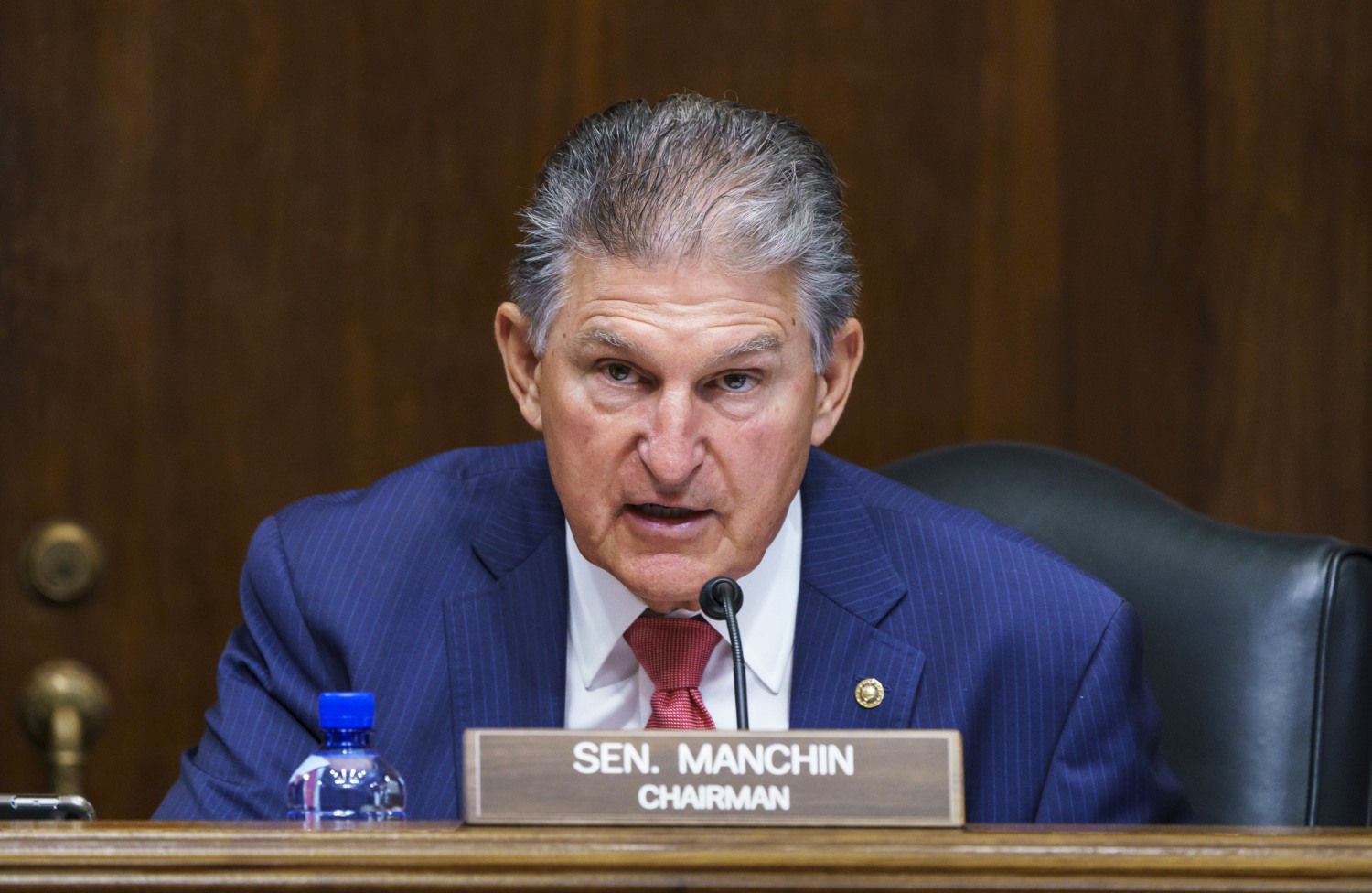





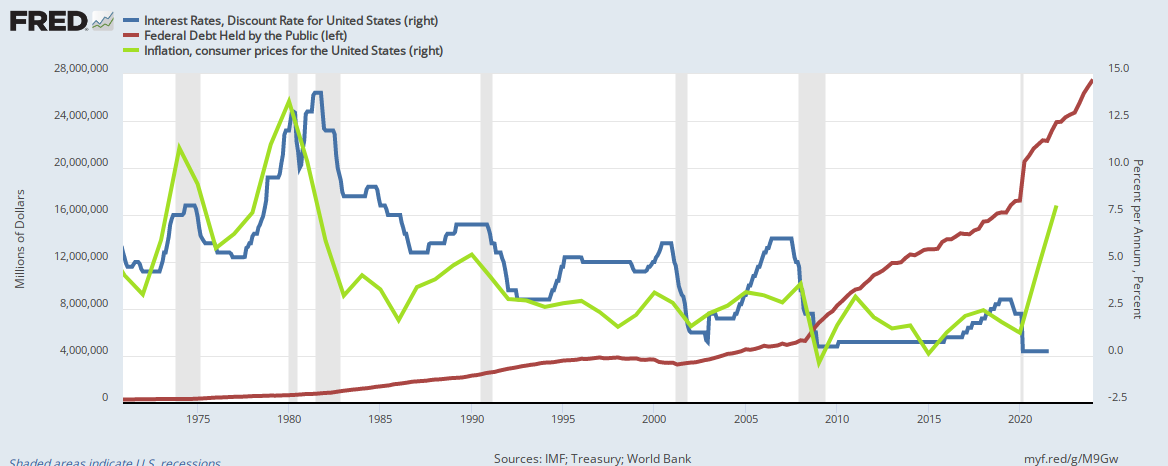

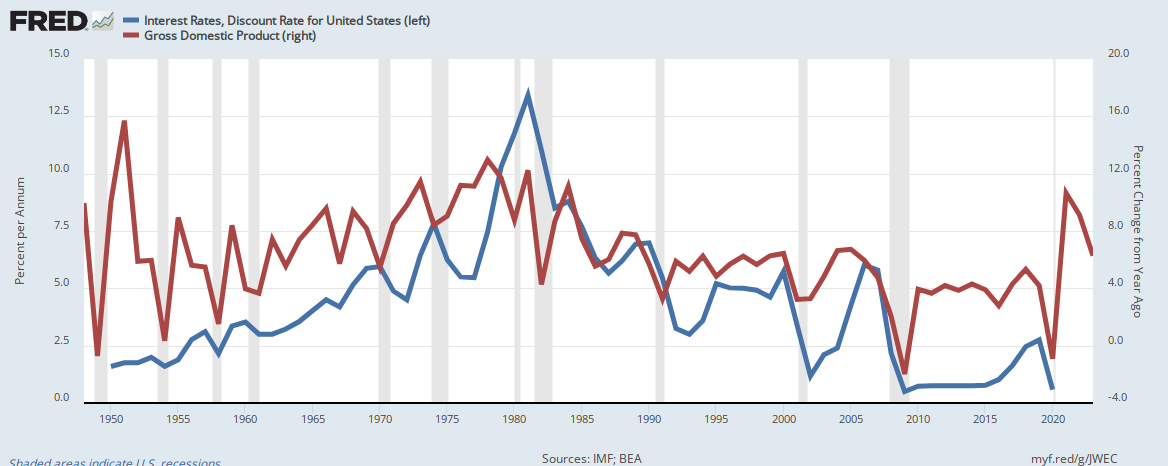
 #Monetary Sovereignty - Mitchell