Reader Scott and I have been bantering about “Free Will” and “Will Power.” (For the purposes of this discussion, I have separated the word willpower into its constituents, will and power.)
As a shorthand version, I claim that “free will” has no basis in science, cannot be located in the brain, and is an illusion created by the brain.
Scott claims he exhibits free will when he makes certain decisions. I claim his examples demonstrate will power, not free will. His retort is that will power is a subset of free will, like a Venn diagram with one small circle inside a large circle.
The phrases, “free will” and “will power” look alike. They both are short, and both use the word “will.” But the differences are enormous and quite meaningful.
There are important reasons why we don’t refer to “power will” but to will power, and we don’t refer to “will free” but to free will.
WILL POWER
In will power, the word “will” is just an adjective. The subject is “power,” and that word implies force. Like gasoline power, electrical power, brute power, and horse power (horsepower), you have a force against a resistance.
In the case of will power, both the force and the the resistance are in the brain itself. Will power resembles the brain being split in two, with half the brain saying “Yes” and battling the other half that says “No.”
Typically, one half advocates for something the brain finds “pleasant,” while the other half advocates for something the brain finds “correct.” Both “pleasant” and “correct” can be defined in myriad ways, but both sides have one thing in common: They are both determined by chemical, electrical, and/or physical input to the brain.
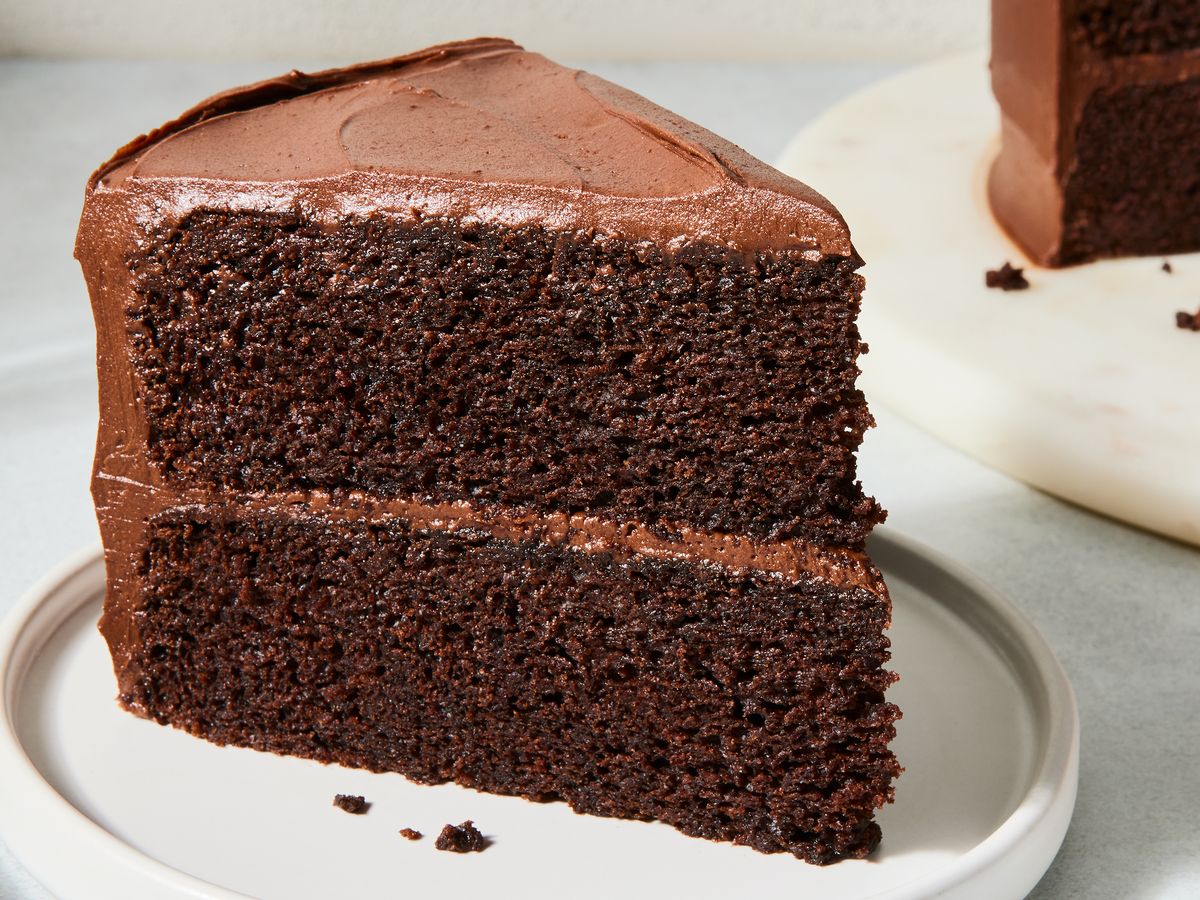
A typical example might be whether to eat a slice of chocolate cake or to refrain.
On one side is the cake, which your brain knows, from prior experience, will cause chemical, electrical, and physical pleasure. On the other side is your health knowledge, which also came into your brain via chemical, electrical, and/or physical means.
So, the battle ensues. If the winner is pleasure, you are said to lack will power. If the winner is the denial of pleasure, you are said to have will power. In either case, the decision is made in identifiable parts of the brain.
The desire to eat chocolate cake is primarily driven by the reward system in your brain, which includes regions like the amygdala and the orbitofrontal cortex. These areas are involved in processing the pleasure and emotional aspects of eating.
Your resistance to eating it involves the prefrontal cortex, which is responsible for decision-making about health impacts, against the immediate pleasure it provides.
All of the above — your knowledge of the reward and health impacts and their relative importance — were placed into your brain via chemical, electrical, and other physical means. They didn’t just arrive there out of thin air.
Interestingly, these inputs change second by second. If, for instance, you happen to be very hungry, the chemicals that constantly bathe your brain, and the electrical signals that constantly circulate through your brain will cause a physical, chemical, and electrical effect on your amygdala, orbitofrontal cortex, and prefrontal cortex,
At that point, reward overrides health impacts, and will power loses the battle.
If however you are full, or if you have been given a stern warning by your doctor, physical, chemical, and electrical effects force the opposite effect, and you are said to be exercising your will power.
FREE WILL
In “free will,” the word “will” becomes the noun, not the adjective, and is the subject of the phrase.
Here, we are not talking about power but will. Is your will forced, coerced, or determined, or is it free of all these influences?
“Free will” is the hypothetical ability to make choices not predetermined by past events or current influences. It’s the idea that we can decide our actions independently without internal or external constraints.
Based on that, it’s difficult to see how any exercise of will ever could be free and not constrained. You can exercise “will” when you use your personal history, knowledge, and physical and emotional needs as expressed in your body chemistry and electrical circuitry.
But the phrase “free will” is a huge step above just plain ordinary “will.” We always use our will, but I submit that will, free from all constraints, is not physically possible.
The chemicals bathing your brain, the electrical signals flashing through, the senses of which you may or may not be aware, all affect your will.
I further submit that when people use the term “free will,” they really mean “will,” and that the “free” part is a powerful illusion created in and by the brain.
So to reader Scott I say, continue to use your will, but don’t ever believe it is free. Everything you do or think is constrained by past and current influences. Will exists, but not free will.
Rodger Malcolm Mitchell
Twitter: @rodgermitchell
Search #monetarysovereignty
Facebook: Rodger Malcolm Mitchell;
MUCK RACK: https://muckrack.com/rodger-malcolm-mitchell; https://www.academia.edu/
……………………………………………………………………..
The Sole Purpose of Government Is to Improve and Protect the Lives of the People.
MONETARY SOVEREIGNTY
 #Monetary Sovereignty - Mitchell