1. Fascism is a political ideology characterized by authoritarian ultranationalism, centralized control, suppression of opposition, and often a dictatorial leader.
It emphasizes bigotry, extreme militaristic nationalism, contempt for electoral democracy and political/cultural liberalism.
2. White supremacy is an ideology based on the belief that white people are superior to those of all other races and should, therefore, dominate society.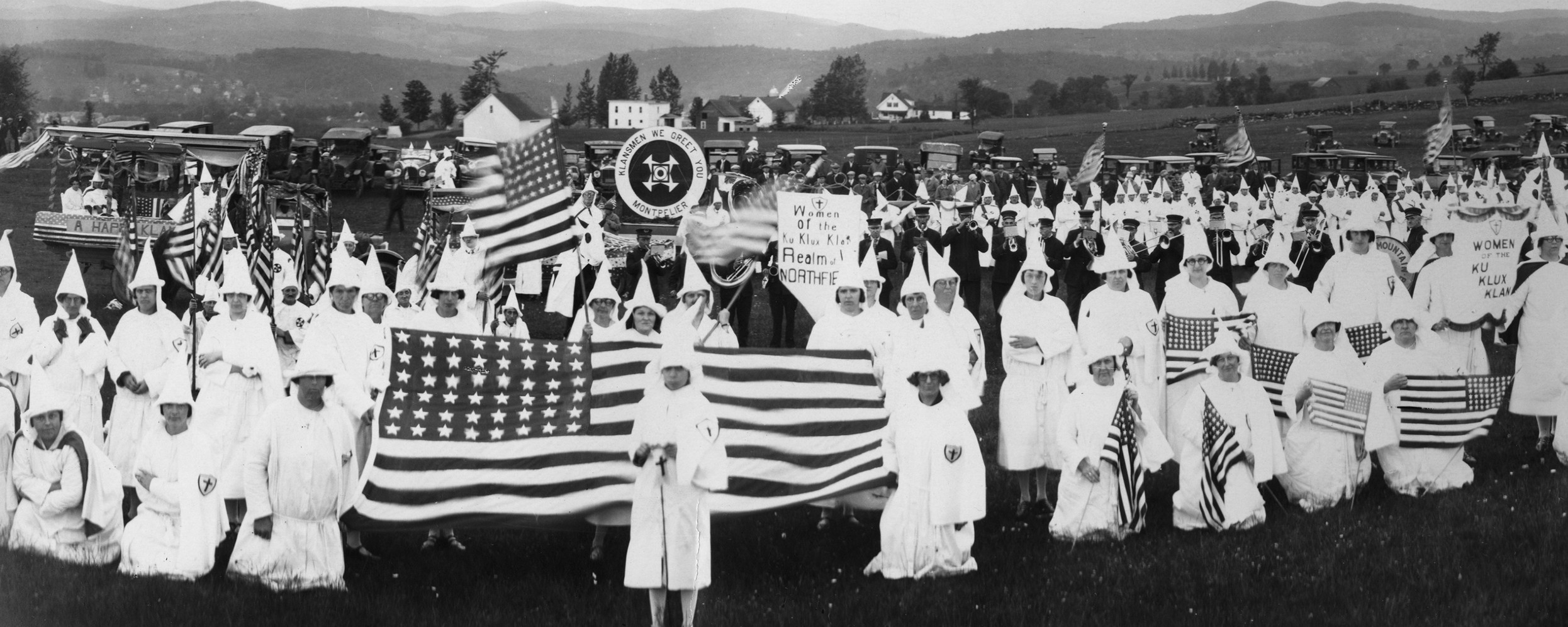
This belief system underpins various forms of racial discrimination and segregation.
President Donald Trump referred to African countries, Haiti and El Salvador as “shithole” nations during a meeting Thursday and asked why the U.S. can’t have more immigrants from Norway.3. Christian nationalism is a cultural framework that idealizes and advocates a fusion of Christianity with American civic life.
It is an ideology that emphasizes the idea that the United States was founded as a Christian nation and should continue to uphold Christian values in its laws and society.
Christian nationalists may believe that being a Christian is an important part of being a true American and that the government should recognize the U.S. as a Christian nation.
The movement can include various subgroups and ideas, such as the New Apostolic Reformation, which seeks a transformation of the U.S. into a Christian nation through what they see as a spiritual battle.
Google Trends data shows a significant rise in searches for the term following the Jan. 6 riot at the U.S. Capitol. Searches for the term peaked in July 2022 after Rep. Marjorie Taylor Greene, R-Ga., declared in an interview that “We need to be the party of nationalism, and I’m a Christian, and I say it proudly, we should be Christian nationalists.” The survey asked 2,540 respondents who have heard at least “a little” about Christian nationalism: “In your own words, what does the phrase ‘Christian nationalism’ mean to you?”
Many describe “Christian nationalism” in terms of Christian dominance in society, while others associate the concept with racism, authoritarianism, bigotry and exclusion. A smaller portion of Americans describe it as the positive influence of faith and morals in society.In a related news story:
Louisiana Gov. Jeff Landry is defending the state’s mandate to display the Ten Commandments inThere is nothing more religious than the 10 Commandments, and as is the case with all things religious, there are disagreements, interpretations, and claims of righteousness. Which 10 Commandments will Gov. Landry post, and what about religions that don’t believe in the 10 Commandments? There are multiple versions of the Ten Commandments, some of which are in fierce contention. Among the most notable is the “graven image” commandment. For centuries, arguments have raged about whether worshipping images of Jesus, Mary, and various saints violates this commandment.classrooms, explaining that the United States was founded upon “Judeo-Christian” principles.
The Establishment Clause: This clause prohibits the federal government from creating an official church or favoring one religion over another.
It states, “Congress shall make no law respecting an establishment of religion…”
The Free Exercise Clause: This clause protects individuals’ rights to practice their religion as they please, without interference from the government. It says, “…or prohibiting the free exercise thereof.”
The purpose of these clauses is to prevent the government from sinking into a theocracy, the problems of which are:Lack of Religious Freedom: The state endorses one religion, often leading to the suppression of other religious practices and beliefs
Potential for Intolerance: Theocratic societies may be intolerant towards immigrants, different cultures, or ethnic groups, especially those who do not share the state religion
Risk to Personal Freedoms: Disagreeing with the government can be seen as disagreeing with the divine authority itself, placing personal religious ideas or freedoms at risk.
Centralized Power: Theocracies often have centralized structures of power, which can limit debate and dissent in policy-making.
Societal Compliance: Compliance is often achieved through religious means, which can include the threat of spiritual consequences for non-compliance.
Theocracies quickly evolve into dictatorships, which are especially difficult to change because the leader claims to speak for God. After reading the above, you can answer the title question for yourself: Which American political party is this, and is it what you want for America?……………………………………………………………………..
The Sole Purpose of Government Is to Improve and Protect the Lives of the People.
MONETARY SOVEREIGNTY
 #Monetary Sovereignty - Mitchell