In science, when something exists, scientists set out to measure it. Everything is measured—energy, distance, volume, size, temperature, strength, intelligence—but not generally consciousness.
Yes, during an operation, some measures are used: An electroencephalogram monitors the brain’s electrical activity, and anesthesiologists monitor heart rate, blood pressure, and muscle tone. Sometimes, anesthesiologists may check for purposeful responses, such as squeezing a hand or opening eyes.
These are merely rough and infrequent measures of wakefulness, distinctly different from consciousness. A person who is sleeping remains conscious.
This inquiry extends to further questions: “How much consciousness does a specific entity possess?” and If consciousness exists, how much is there?”

I propose that consciousness should not be seen as a unique trait but rather as an assertion that all entities perceive and react to their surroundings, with the degree of perception and reaction indicating levels of consciousness.
On the spectrum of perception and responsiveness, a human exhibits greater consciousness than a bacterium, which is more conscious than a rock.
However, even a rock can sense and react to temperature, water, wind, sound, and physical impacts. Some things may be even less responsive than a rock — perhaps a piece of titanium?.
In the comment section of that post, we attempted to address the title question by replying to readers’ comments.
As many readers overlook a comment section, below are excerpts that might interest you:
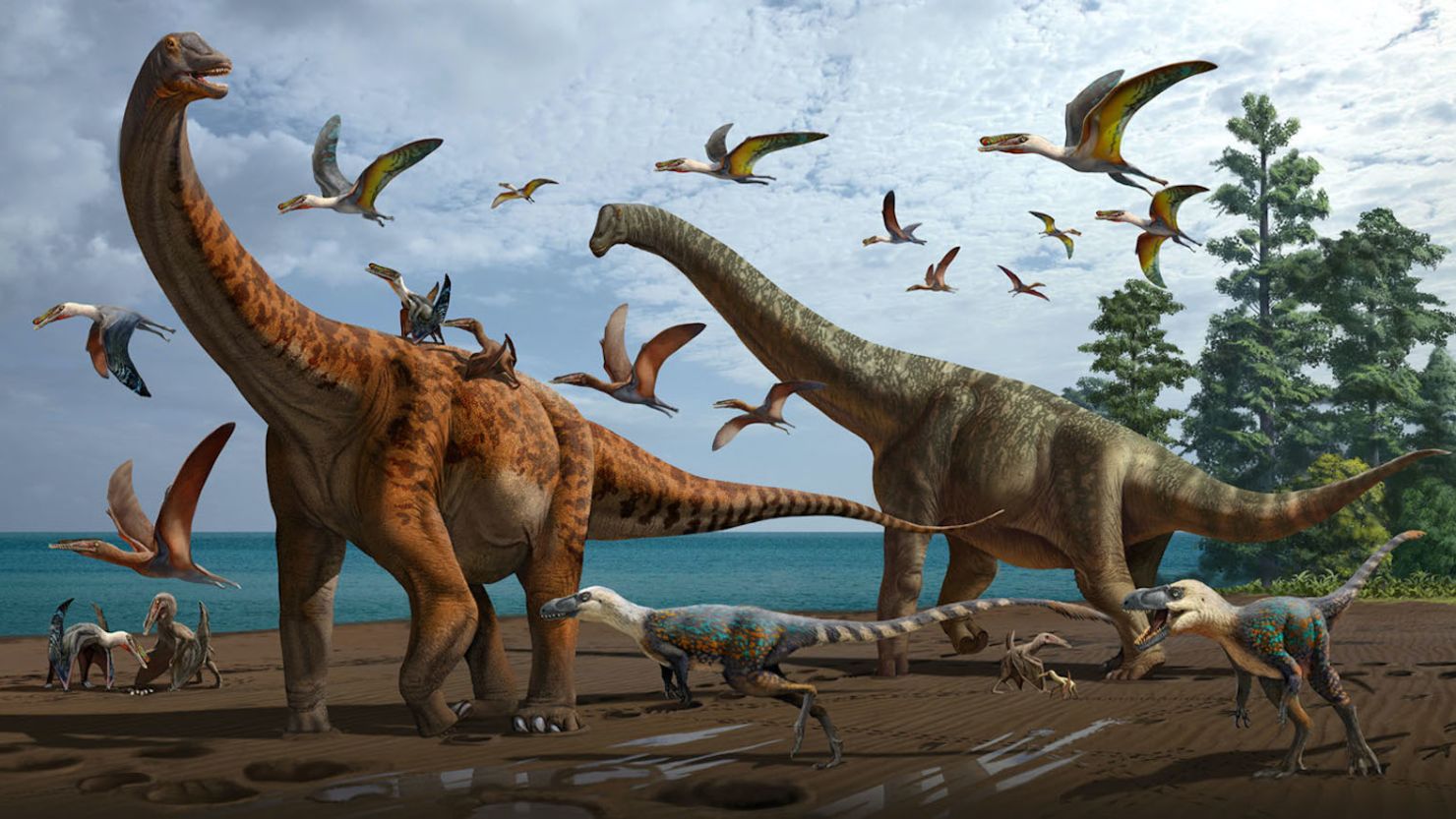
tetrahedron720 I agree that consciousness is an awareness of something other than nothing. If there’s nothing, then there’s no consciousness, like before you were born or Zero.
So, consciousness begins with “an awareness” of some otherness, which includes self-consciousness against a backdrop and an awareness of reality. Awareness or (consciousness) begins with 2, not 1.
There’s no 1 in the real world; no singularity is provable or possible, except in theory or science fiction.
Rodger Malcolm Mitchell If consciousness is awareness, then what is awareness? Is an ant “aware”? Is a tree aware of its surroundings? Is a bacterium aware? Is a virus aware? Is a sleeping person aware?
I believe you have fallen into the trap that has bedeviled philosophers for centuries. You have stated the problem in a way that makes it impossible to solve because you have anthropomorphized it.
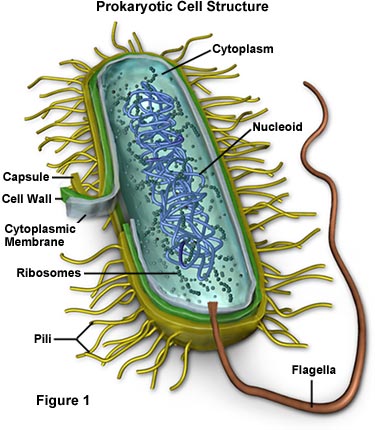
Obviously, a bacterium is “aware” of its surroundings. It could not survive unless it was aware of food, poisons, and other chemicals. Are you ready to say a bacterium is conscious? I am.
TS Reminds me of something I read about trees being able to ‘signal’ each other. What would Pando say?
Mitchell
Yes, Pando and all other trees send signals, receive signals and respond to signals, just as you do. As do bacteria. As do rocks. As do photons. As does the earth itself, the solar system, the galaxy and the universe — they all send, receive and respond to signals.
Thus, they all are conscious.
rawgod As far as I can tell, consciousness comes from being alive — from having life. Which is why I question the consciousness of a photon. What does a photon sense? Is it the brain that is conscious, or is it the mind? The brain remains after death; the mind does not, and neither does life. I may be simplistic, but I see life as the seat of consciousness and the mind as the part of us that expresses our consciousness. This is my philosophy of life—life is consciousness!
That leaves a few questions: What is life? What is consciousness? Is a dog conscious? Is a bee conscious? A bacterium? A virus? A tree? A sleeping person?
You are about to begin a voyage that has occupied philosophers for eons. That is why it is called a “hard problem.” The statement of the problem is what makes it hard.
I believe consciousness is the reaction to stimuli. Suddenly, the problem becomes simple. The greater the response to the stimuli, the greater the consciousness. No mysticism is required.
A photon senses whatever it reacts with. It can have many different energies vibrating in what we see as colors or feel as heat. It can be entangled with other photons. It can act as a particle or as a wave.

tetrahedron720 “…If consciousness is awareness, then what is awareness…?”
They’re both sides of the same coin, though they vary in degree. But then, what is the coin? To me, the ‘coin’ is the ability to differentiate, i.e. life.
Only life can purposely differentiate ( reproduce) by being aware or conscious of another system like itself.
A rock cannot reproduce, nor is it aware of the need to survive. Yes, a rock or photon can react or sense vibrations, but that’s not the same as the ability or need to differentiate and survive.
Sensation is different from reproduction. The former is picking up vibes, and the latter is doing something about it progressively.
Mitchell What about a virus? Or a flame that multiplies by differentiating between flammable and nonflammable? Is a bacterium aware or conscious of another system like itself to multiply?
tetrahedron720 “… Or is consciousness just an illusion that your brain has conjured up? …”
What is objectively “out there” is what our subjective “in there” brains detect. Science and repeated experimental experience of experts determine if “out and in” or subjective and objective are the same.
Everything with sensorial equipment, eyes, ears, nose, etc., in short, a brain, can only detect a tiny portion of reality. Before microscopes, telescopes, etc. were invented, our senses made contact with very little of reality and still do.
We only ‘see’ a small share (colors) of the wavelengths in the whole electromagnetic spectrum and hear very little with our ears. We still don’t know what’s beyond the furthest seeable galaxy.
We peer further than ever before in every direction and never reach an end.

The best we can do is what our logical brains/minds allow. There’s a lot more to reality, and we’ll have to wait for scientific minds and instruments to penetrate the illusion we call reality.
On another note, perhaps we should ask what we mean by “Alive” instead of “consciousness” or “awareness.”
Where is the line between “alive” and “dead?” Or “eternal” and “temporal?”
Mitchell The fact that we cannot answer the final question in your comment is part of why I say that consciousness is sensing, and everything senses.
rawgod Can the photon refuse to react? That would definitely display consciousness. Just because it does react is meaningless to me if it always reacts the same way under the same circumstance — like a well-oiled machine. We know machines are not conscious.
You ask, what is life? Does a thing come into being, change itself in some way, and then cease to be after some period of time? I cannot say what life is, but to the best of my knowledge, all living things display those three elements—birth, growth, and death.
Of course, this begs the question: Are bacteria and viruses living? They certainly reproduce themselves by splitting into exact duplicates, which could be considered an act of birth, but it is for better and wiser people than I to say if they actually change or grow in some way.
Or do they do these things because their nature forces them to act in one and only one way? (In other words, I don’t know if what they have is life or just some kind of predetermined existence.
I can and have argued both sides. So again, do they have a choice in their actions?) The ability to act or not act under equal circumstances sounds like some kind of consciousness.
Then, we have to consider anthropomorphism. Do we only see life where we can see similarities to our own lives? Is a planet alive? Is an airless blob of matter floating through space alive?
Anyway, to summarize, in my little mind, anything that comes into being grows or changes by internal processes, and at some point, be it microseconds or billions of years, dies or ceases to exist, then that constitutes life of some kind. And if nothing else, life contains the possibility of consciousness, even if we cannot see it.

Mitchell Are your criteria met by a fire? A river? A meteor? A star? A cloud? An odor? A galaxy? A mountain?
rawgod Science has not taken us there yet, so I cannot comment in the way you are asking me to. When I considered the planet, the earth represented all these other things. There are things we do not know.
So, maybe I must adjust my criteria somewhat. I would expect that in order to be born or somehow created, there must be a continuation process, as in having a parent or parents.
As far as we know, none of your items are continuations of previous beings, but I cannot totally rule them out because I simply do not know.
That is part of “my” anthropomorphism problem. I cannot see a continuation process, but that does not mean it isn’t there.
But for argument’s sake, none are “life as we know it.” A cooling chunk of lava does not make a live rock. The rock cannot change itself; it can only change through the actions of outside forces.
But to go in a different direction, are the cells in our bodies conscious? I would say yes; each cell fits the birth, change, and death process. In fact, I would go so far as to theorize the possibility of our own consciousness being a group of cellular consciousnesses working together as a collective. I know that a gut feeling is more often right than an idea born in my head.
My body has often saved me from harm by warning me with a strong feeling I cannot explain except by such a collective consciousness.
So far, you have offered me no reason to change my mind that my pseudo-definition of life is wrong. Can you respond in such a way as to agree or disagree, or even provide a maybe?
What are your personal thoughts about life and consciousness? We are at the table of discussion. It is time for “your” response, not anyone else’s. You must have your own ideas…
Mitchell of the p I don’t know how to define life. No one does. That is the whole point of this discussion. My definition of consciousness is “sensing, and everything senses, so to some degree, everything is conscious.”
It’s a “hard problem” because we insist on anthropomorphizing a word that has nothing to do with life but rather to do with existence.
rawgod By sensing, do you mean “with the senses,” “being aware of,” or “reacting to”? Or some combination of these ways of sensing?
Trees sense danger coming and react to save themselves—I would call this a form of consciousness.
But I find the sensing concept “as I understand it” too general. Life is more specific. I think life requires a set of characteristics, for want of a better word.
Life may not require consciousness, but to me, it requires the possibility of consciousness. I would never consider a rock conscious of anything. But then, maybe our definitions of consciousness are different.
Mitchell Your final sentence hits the mark. “Consciousness” is a semantic question, not a physical one. In your mind, only life can be “conscious,” though you can’t define life, either.
“Consciousness” is a “hard problem” because it has different definitions, depending on the speaker. Consider the opposite of “conscious”, “unconscious.”
Is a sleeping person or a comatose person conscious? A sleeping person’s body senses and reacts to its environment. It senses the ambient temperature and adjusts accordingly.
It senses loud sounds and wakes up. It senses a hard touch and wakes up. It senses food in its digestive tract and digests it. It senses pain.
So, is a sleeping person conscious? Your answer depends only on YOUR DEFINITION of “conscious,” and is not THE DEFINITION.
I see you have evolved in your struggle to understand. Now, you believe life requires the possibility of consciousness.
I have no idea what that means, but it is your unique definition. Others have different definitions.
A rock is made of chemicals, and life evolved from chemicals, so does a rock have the same possibility of consciousness as its constituent chemicals?
Human sperm begin with spermatogonia: These are the initial germ cells that divide and differentiate into sperm.
Is a germ cell conscious? Is the resultant sperm conscious?
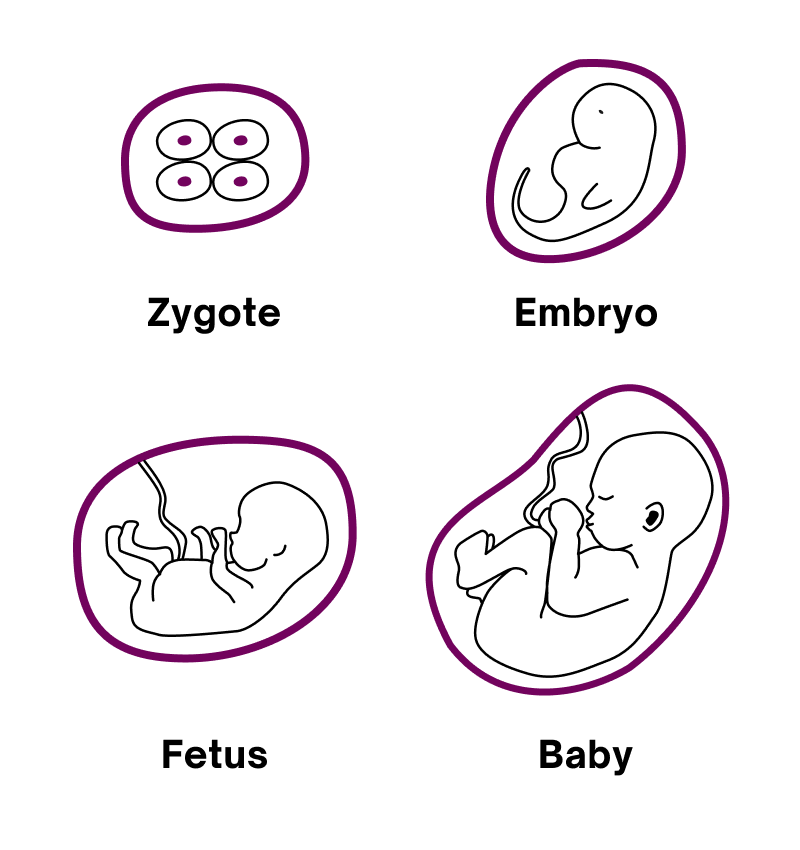
Is an egg conscious? The sperm and egg both sense their environment and react to it. When you put them together, they form a zygote.
Is a zygote conscious? As a zygote develops it becomes a blastocyst. Is a blastocyst conscious?
As the blastocyst implants in the uterus, it forms an embryo and, after that, a fetus. Is an embryo conscious? Is a fetus conscious?
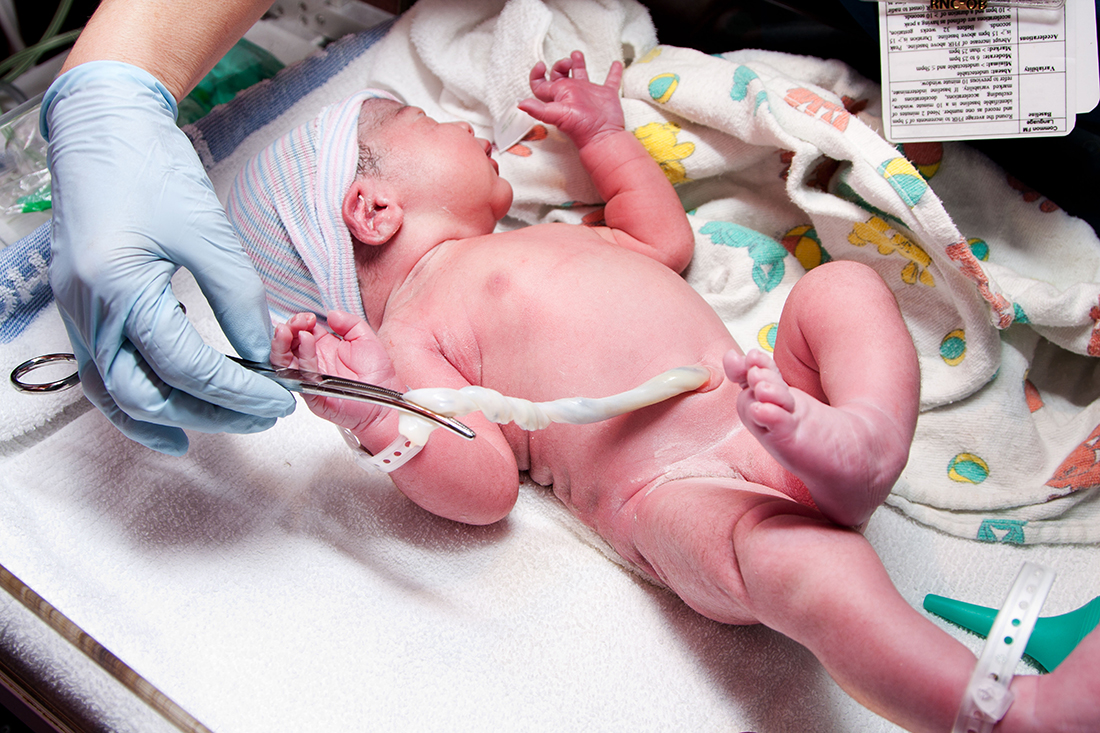
At some point, a baby is born. Is a baby conscious?
Are any or all of the above conscious? When does consciousness begin? You can define consciousness according to your wishes, and that will give you YOUR answer, but not THE answer.
If spermatogonia are not conscious, when does consciousness begin? If they are conscious, then tell me why a rock is not conscious. What are your criteria for consciousness?

You now have arrived at “the hard problem” that has bedeviled philosophers for centuries — all because it’s not a physical question but a semantic question.
Here are excerpts from an article in Smithsonian Magazine:Is a tiny fish conscious?
Bluestreak cleaner wrasse are small, territorial fish that aggressively fend off intruders. But when they have access to a mirror, the fish size themselves up before deciding whether or not to fight.
About the size of a human finger, bluestreak cleaner wrasse are tiny fish that set up “cleaning stations” on the reefs and wait for other fish to arrive so they can eat the parasites off their bodies.
They inspect up to 2,000 fish each day.
They also have good memories and can recognize more than 100 different “clients.”
Scientists already knew bluestreak cleaner wrasse were savvy creatures. In 2018, they became the first fish to pass what’s known as the mirror test, an experiment used to gauge self-awareness by assessing whether or not an animal recognizes its own reflection.
Other creatures that have passed the mirror test include bottlenose dolphins, chimpanzees, and Asian elephants.
Last year, researchers also showed that Bluestreak cleaner wrasse could recognize themselves in photos after looking at their reflection in a mirror.
Scientists wanted to explore the bluestreak cleaner wrasse’s self-awareness even deeper, so they set up a series of new laboratory experiments. They shared their findings in a new paper published in Scientific Reports this week.
Researchers placed a Bluestreak cleaner wrasse inside a clear fish tank. Then, they held photos against the glass showing Bluestreak cleaner wrasses of varying sizes—some 10 percent larger than the fish in the tank and some 10 percent smaller.
No matter which photo the scientists showed, the wrasse inside the tank tried to attack it.
Next, the team repeated the same experiment but added a mirror to the tank. The fish checked out their own reflection before deciding whether to fight—and they would only battle photos of smaller intruders, not larger ones.
To scientists, this suggests that bluestreak cleaner wrasse are capable of understanding their own body size, as well as how their body size stacks up against a rival.
“This was unexpected because we had an image that this fish always shows aggression against rivals, regardless of size,” says study co-author Taiga Kobayashi, a scientist at Osaka Metropolitan University in Japan, to New Scientist’s Corryn Wetzel.
There are no mirrors in the wild, so the findings suggest that wrasse adapted and learned to use the mirror as a self-preservation tool.
This discovery can “help clarify the similarities between human and non-human animal self-awareness and provide important clues to elucidate how self-awareness has evolved,” Kobayashi says.
Ants changed the architecture of their nests when exposed to a pathogen Is an ant conscious?
Ants change the architecture of their nests when exposed to a pathogen. Tweaks to entrances, tunnels, and chambers may help prevent diseases from spreading.
If an infection takes hold in an ants’ nest, it could spell disaster for the whole colony. But some worker ants appear to have a workaround for that. When exposed to a pathogen, black garden ants tinkered with their nest layout in ways that could slow the spread of disease.
Several animals, including humans, guppies, and mice, are known to alter their behavior to avoid infections. However, researchers report that these are the first nonhuman animals shown to actively alter their surroundings in response to infections. The preprint has yet to be peer-reviewed.
Limiting social contact — through social distancing, for example — is thought to be an effective barrier against the spread of disease. Humans also alter what the researchers call spatial networks by, for instance, using parts of a building or city as quarantine zones or expanding urban spaces.
Nathalie Stroeymeyt and her team at the University of Bristol in England let 20 groups of 180 black garden ants excavate nests in soil-filled jars to see whether ants act similarly. The day after digging started, the researchers added 20 more worker ants to each jar, with half of the jars receiving groups infected with a fungal pathogen.
Over the next six days, the researchers used video to monitor the ants’ behavior and micro-CT scans to study the evolution of their nests.

Ant colonies exposed to the pathogen dug nests faster. Initially, they made more tunnels than healthy colonies, and after six days, they made several structural modifications, including spacing entrances 0.62 centimeters farther apart on average.
The exposed colonies also placed chambers — which house colony resources such as queens, their brood, and food — in less central locations.
Ants infected with the fungus spent more time at the surface than their coworkers, which the study suggests is probably a form of self-isolation.
The team then used spatial network analysis and disease transmission simulations to see if the changes would have any noticeable impact on how disease spread in the nests.
Using the designs crafted by the exposed and unexposed colonies, the team simulated what would happen if a pathogen was introduced. Ant colonies in the disease-resistant redesigns would have a significantly lower fungal load—and fewer lethal doses—than those in nests built without any previous exposure to disease, the team found.
Sebastian Stockmaier, a behavioral disease ecologist at the University of Tennessee, Knoxville, says social insects like ants, bees, and termites have evolved a range of colony-level defenses to manage diseases effectively, and large-scale outbreaks are rare.
Group living is generally thought to increase the risk of disease, and this threat is particularly pronounced in social insects because of their low genetic diversity and frequent social interactions, which help disease to spread.
Because of this, when faced with disease, “their strategies are typically targeted at protecting the group as a whole, rather than focusing on the individual,” says Stockmaier.
Scientists can’t decide if consciousness is real or fake
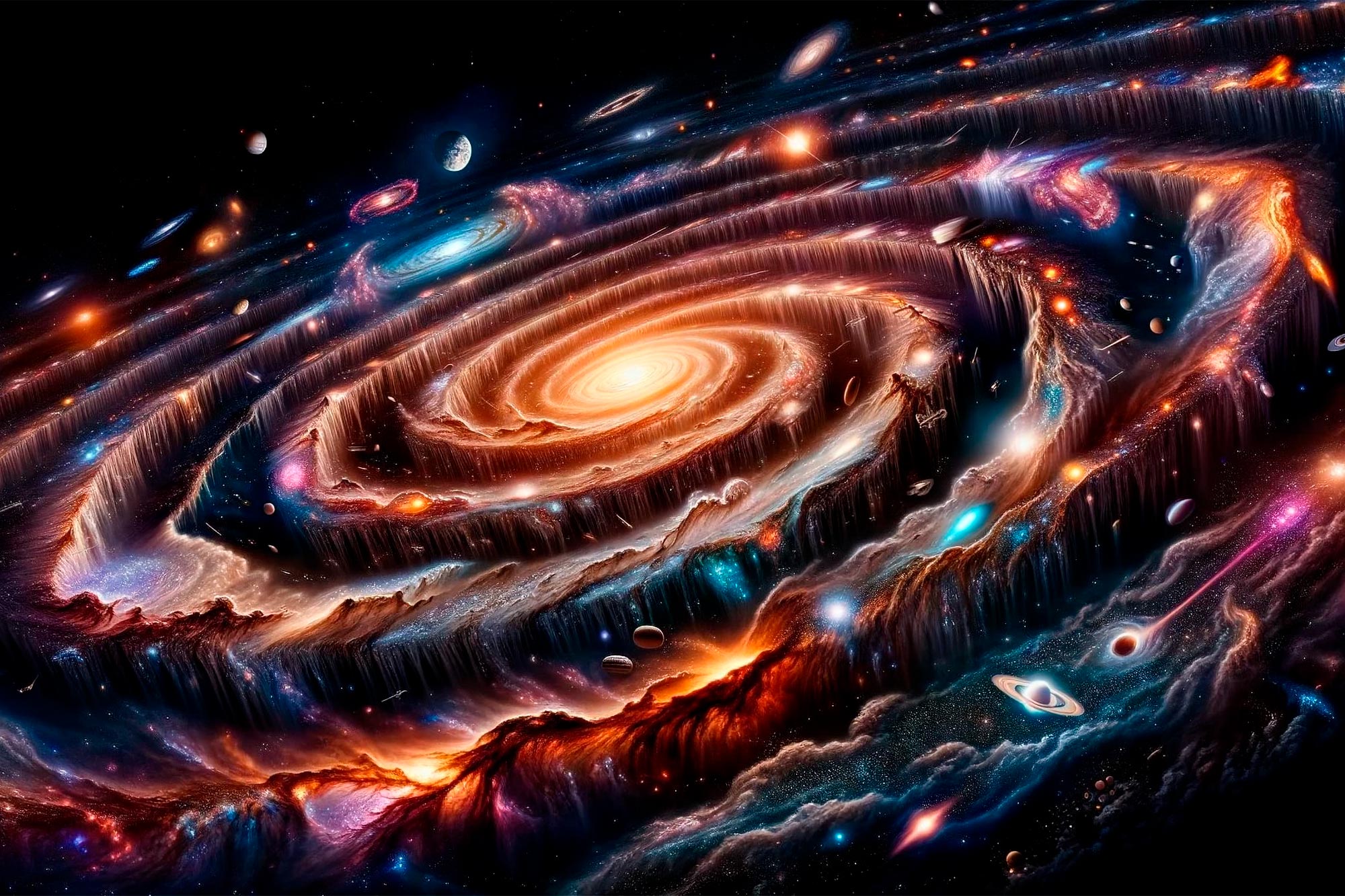
What if everything in our world has a soul and mind? What if every desk, chair, and potted plant has a conscious stream of thoughts? That’s the basic idea behind Panpsychism, a theory first put forward in the late 16th century by Francesco Patrizi.
I should mention that Panpsychism speaks of “soul and mind,” i.e. anthropomorphism, which is its weakness. No one can define a soul or prove its existence.To understand why this theory is regaining popularity, we must examine one of the most difficult conundrums human scientists have ever faced: where consciousness comes from.
Scientists have been trying to solve this hard problem for over a hundred years, and while developments in neuroscience, psychology, and quantum physics have come far, we still don’t have a definitive answer.
It’s a “hard problem” because of the attempts at an anthropomorphic link to life, soul, mind, thoughts, etc.
The argument is regaining momentum, though, thanks in part to the work of Italian neuroscientist and psychiatrist Giulio Tononi, who proposed the idea that widespread consciousness exists even in the simplest systems.
Tononi and American neuroscientist Christof Koch argued that consciousness will follow where there are organized lumps of matter. Some even believe that the stars may be conscious.
Yes, stars are “conscious,” but what does he mean by conscious. If he means “having a soul,” he cannot be taken seriously. But if he means sensing and responding, as I do, then, of course, stars do sense inputs and respond to them.This basic idea seems to suggest that grouped lumps of matter, like the very chair you’re sitting in , may have a stream of consciousness.
Of course, not everyone agrees with this. Many still take the stance that this is just an attempt to grasp at straws, if you will, in a bid to understand consciousness and how it comes to be.
What is a “stream of consciousness”? It sounds like falling back on the anthropomorphic again, but the problem cannot be solved by that path.The main idea behind Panpsychism seems to rely on the belief that if brains are not required for consciousness, then anything can be conscious of its existence, and thus, everything has different experiences.
Almost, but still not there. Brains are not required for consciousness, and yes, anything can be conscious. But the author adds three words –“of its existence” — that ruin everything. Those three words imply thought, and while a star is conscious in that it senses and reacts to what it senses, the notion of thinking about its existence is a step too far.
But there are more than just believers and unbelievers here. Some actually believe that consciousness is all an illusion, which raises even more questions.
Consciousness is not an illusion if it is defined as sensing and reacting. By not having an agreed-upon definition of the central word, scientists have made the hard problem an impossible problem.Keith Frankish, an honorary professor of philosophy at the University of Sheffield, told Popular Mechanics that he believes consciousness is just an illusion of our own minds.
Of course, whether or not the very stars are conscious has yet to be proven.
We’re still far from understanding the brain and how it correlates to different things in our world.
Frankish is stuck because he doesn’t know how to define consciousness, so he can’t locate it.This is still an area of science that draws a lot of big question marks from scientists. All you can really say for sure is what you believe. Are you conscious? Or is consciousness just an illusion that your brain has conjured up? It is undoubtedly an exciting thought.
It’s not an exciting thought. It’s a self-defeating thought. How will you draw the map if you don’t know where you’re going?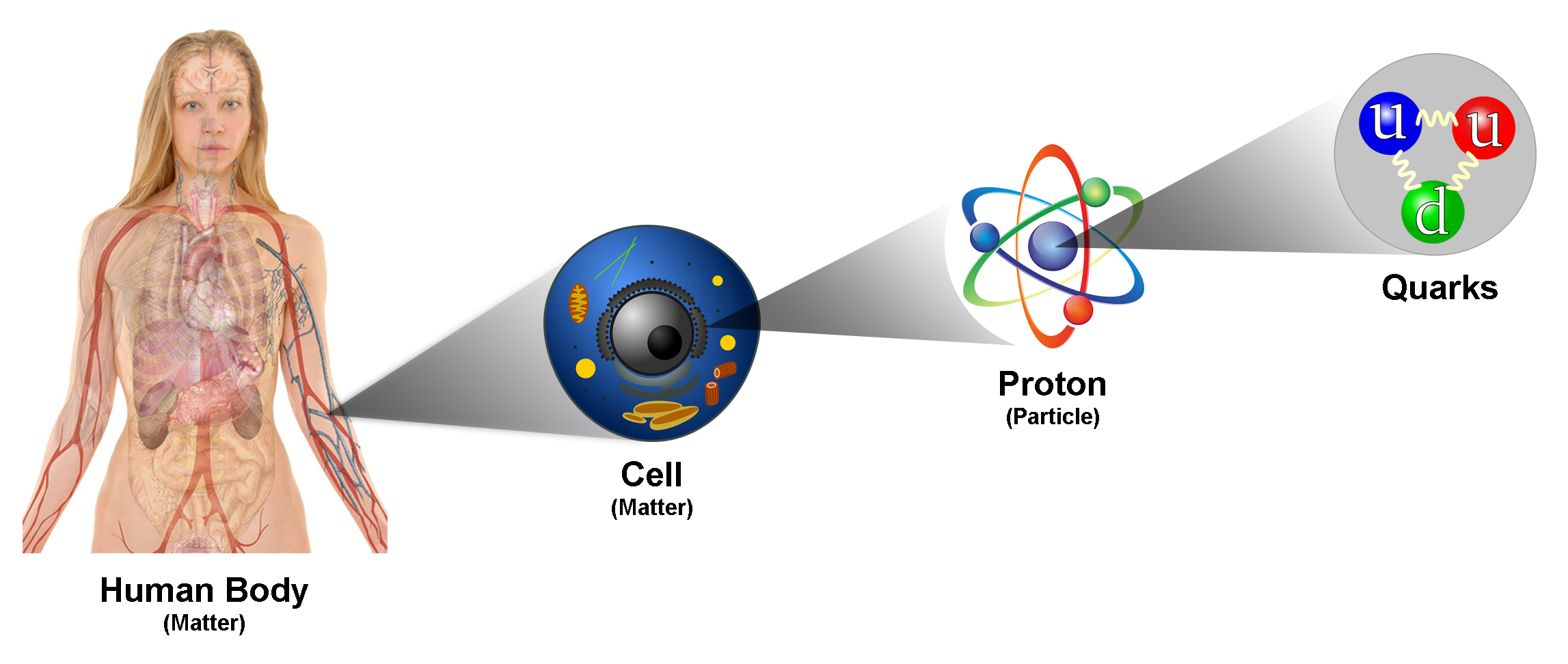
This is a ridiculous notion, especially when you have no definition of “alive“ or “consciousness,” and the photo looks like a paint splatter.
“Are plants intelligent? It depends on the definition:” I can’t say whether plants are intelligent; there is no uniform definition of intelligence.
But I can say with assurance that plants are conscious, meaning they sense their surroundings. Everything does, with the only difference being how much sensing they do and what they do about it.
Debunking a myth: plant consciousness The author says, “Plants have not been shown to perform the proactive, anticipatory behaviors associated with consciousness, but only to sense and follow stimulus trails reactively.
“Consciousness is a difficult topic, and its constructs and definition are much debated. Both we and the proponents of plant consciousness focus on the most basic type, phenomenal or primary consciousness. Primary consciousness means having experiences or feelings, no matter how faint or fleeting.”
Everything possesses “experiences,” leading the author to use many words to reach this conclusion: Consciousness is feelings. In short, he has fallen into the anthropomorphizing trap.
The correct definition of consciousness is sensingness, i.e., the ability to sense. Since everything senses its environment, consciousness is in everything, with the only difference being the amount of sensing and what is done in reaction to the sensing.
A human takes action, and so do a bee and a tree. A rock erodes. Water reacts by boiling, evaporating, or forming ice. Everything is conscious. This makes the so-called “hard problem” simple. There is no need to anthropomorphize. Just evaluate the input and the reaction, and you have the amount of consciousness.
In the following, the “hard problem becomes the impossible problem: “Human consciousness may come from another dimension, scientist suggests.”
Finding that “another dimension is like someone asking you, “How would you add 2+2? And your answer was, “Begin by finding the ninth root of a 5,000-digit number.”
Consciousness very simply is sensing and reaction. Nothing more. No multi-dimensional, other-worldly answers are needed. Everything senses, Everything reacts. Just quantify it, and I’ll tell you how conscious it is.
The question was whether they were conscious or self-aware. Can something, like a tree, be conscious but not self-aware?
I am quite sure that they are conscious. Everything is conscious, so self-awareness is irrelevant. But the author equates the two. This casual definition of terms confuses not only the public but also scientists.
The argument is regaining momentum, though, thanks in part to the work of Italian neuroscientist and psychiatrist Giulio Tononi, who proposed the idea that there is widespread consciousness even found in the simplest of systems. Tononi and American neuroscientist Christof Koch argued that consciousness will follow where there are organized lumps of matter. Some even believe that the stars may be conscious.
“Stars may be conscious.” Why does that sound ridiculous? Because you have anthropomorphized the word “conscious,” and since a star is not an animal, much less a human, how could it be conscious? That is the source of misunderstanding.
This basic idea, then, seems to suggest that grouped lumps of matter, like the very chair you’re sitting in right now, may have a stream of consciousness.
Of course, not everyone agrees with this. Many still take the stance that this is just an attempt to grasp at straws, if you will, in a bid to understand consciousness and how it comes to be.
After millennia, grasping at straws seems better than continuing to grasp without a solution.
The main idea behind Panpsychism seems to rely on the belief that if brains are not required for consciousness, then anything can be conscious of its existence, and thus, everything has different experiences.
The self-referential “conscious of its existence” is not the same as, or necessary for, “consciousness.” A newborn human may not be conscious of its existence but it surely is conscious.
But there are more than just the believers and unbelievers here. There are actually some who believe that consciousness is all an illusion, which raises even more questions.The only illusion is the belief that consciousness requires something called intelligence, a brain, or thought processes when even the nucleus of an atom senses energy inputs and makes adjustments accordingly. It is conscious.
Keith Frankish, an honorary professor of philosophy at the University of Sheffield, told Popular Mechanics that he believes that consciousness is just an illusion of our own minds. Whether or not the very stars are conscious has yet to be proven, of course.
And we’re still a long way from understanding the brain and how it correlates to different things within our world.
This is still an area of science that draws a lot of big question marks from scientists. All you can really say for sure is what you believe. Are you conscious? Or is consciousness just an illusion that your brain has conjured up? It is certainly an interesting thought.
In science, the term “hard problem” denotes a challenge that is exceptionally difficult to resolve. The “hard problem of consciousness,” coined by philosopher David Chalmers, is one of the most notable examples. It pertains to why and how the brain’s physical processes result in subjective experiences.
Thus, Chalmers’s definition of consciousness inevitably results in anthropomorphism. He has arbitrarily determined that consciousness necessitates brains, emotions, subjective experiences, thoughts, and other human-like attributes.
While he is entitled to his definition, it becomes problematic when attempting to discern the consciousness of “lower” animals. The issue he’ll face is determining the consciousness of “Artificial Intelligence,” a question that now stands before us.
Instead of delving into the mysticism of quantum emotions, I favor a more direct and scientifically useful definition of consciousness: the process of receiving inputs and producing responses, with the measure being their quantity and quality.How?
Here’s an example:
Measure the volume/quality of inputs and particularly, the volume/quality of responses. Although there will be much debate about how to measure them, and what a great effort it would take, they clearly are capable of being measured.
Consider the rock. Measure of all the inputs: Temperature, motion, moisture, impacts, wind. Then measure the responses: Erosion, cracking, rolling. Consider a plant, a mouse and a drugged human, and a fully awake human.
Measure their much more complex in puts, and vastly more complex responses.
It’s not easy, but given instructions, AI could do it, if not now, then sometime in the future.
Thus, rather than asking the often unanswerable question, “Is it conscious?” we might consider asking, “To what degree is it conscious, and why?” These are two more fruitful avenues of inquiry.
We don’t need to debate whether the ant is conscious (it is), but how conscious is it and why? What are the inputs, and what are the responses?
We can forgo fruitless debates about ant emotions, which may or may not exist, and if they do, may be nothing like human emotions.
Instead, we can focus more productively on the physical evidence we can measure.We might even devise an answer to a question that has eluded philosophers: “What is the measure of consciousness?”
Rodger Malcolm Mitchell
Monetary SovereigntyTwitter: @rodgermitchell
Search #monetarysovereignty
Facebook: Rodger Malcolm Mitchell;
MUCK RACK: https://muckrack.com/rodger-malcolm-mitchell; https://www.academia.edu/
……………………………………………………………………..
The Sole Purpose of Government Is to Improve and Protect the Lives of the People.
MONETARY SOVEREIGNTY


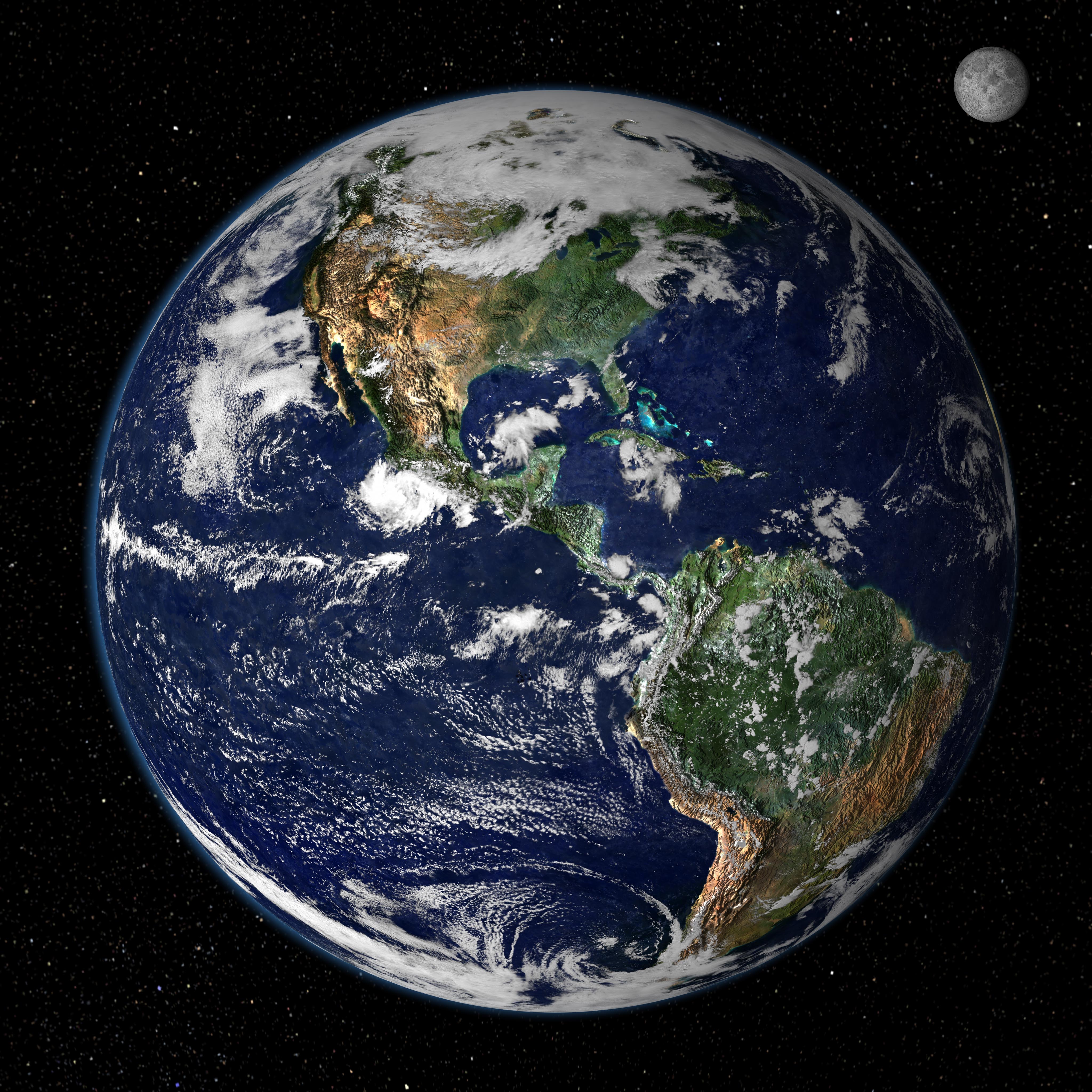
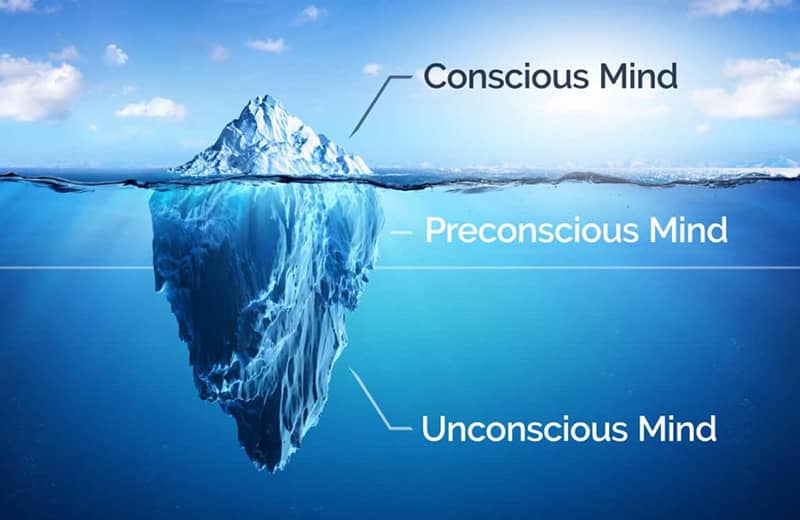 Given those definitions, what is conscious? A human being? Yes, of course — except when the human is unconscious or semi-conscious (?).
Which of these is conscious: A sleeping human? A dreaming human? A lucid dreaming human? A chimpanzee? A dog?
A porpoise? A fish? A bee? A spider? A mosquito? A sperm? A tree? Grass? A computer? A lake? A stone? A flame? The sun? The earth? The universe?
Since generations and millennia of brilliant and not-so-brilliant thinkers have offered opinions, I might as well give you mine.
In quantum mechanics, at the smallest level, objects do not have definite states, but rather a probability range of states until they are measured, at which point they “collapse” into one state. I believe “consciousness” is similar.
Consciousness is not a “thing”; it is a range of “things,” with the “things” being reactions to stimuli.
Consciousness is like the wave function that collapses when measured. Since everything reacts to stimuli, everything is, to some degree, conscious. You can measure that range and call what you measure, “conscious.”
You believe your brain is conscious because that belief is part of how it reacts to stimuli. A stone is conscious because that is how it reacts to stimuli.
So, is a mosquito conscious? Yes, to a degree.
One might object that a mosquito lacks self-awareness and introspection. But does that mean a newborn human baby is not conscious? How, relative to consciousness, is that newborn different from a mosquito?
Given those definitions, what is conscious? A human being? Yes, of course — except when the human is unconscious or semi-conscious (?).
Which of these is conscious: A sleeping human? A dreaming human? A lucid dreaming human? A chimpanzee? A dog?
A porpoise? A fish? A bee? A spider? A mosquito? A sperm? A tree? Grass? A computer? A lake? A stone? A flame? The sun? The earth? The universe?
Since generations and millennia of brilliant and not-so-brilliant thinkers have offered opinions, I might as well give you mine.
In quantum mechanics, at the smallest level, objects do not have definite states, but rather a probability range of states until they are measured, at which point they “collapse” into one state. I believe “consciousness” is similar.
Consciousness is not a “thing”; it is a range of “things,” with the “things” being reactions to stimuli.
Consciousness is like the wave function that collapses when measured. Since everything reacts to stimuli, everything is, to some degree, conscious. You can measure that range and call what you measure, “conscious.”
You believe your brain is conscious because that belief is part of how it reacts to stimuli. A stone is conscious because that is how it reacts to stimuli.
So, is a mosquito conscious? Yes, to a degree.
One might object that a mosquito lacks self-awareness and introspection. But does that mean a newborn human baby is not conscious? How, relative to consciousness, is that newborn different from a mosquito?


 #Monetary Sovereignty - Mitchell