In the post “Does Free Will Exist?” we argue that it does not exist and is nothing but an illusion.
Free will is a philosophical and scientific concept that refers to the ability to choose between different possible courses of action. It implies that humans can act independently of any prior event, state of the universe, or outside influence.
Free will is often contrasted with determinism, the view that human actions are predetermined by natural laws or causal factors. Free will is a logically impossible illusion.
If you believe “free will” exists, try this experiment: Ask someone with autism to stop spinning, hand-flapping, and all the other stemming they do. Assuming they would like to stop and indeed do stop, this might come closer to demonstrating free will.
But my guess is that this simple “cure” for autism won’t work, and the people will demonstrate they don’t have free will.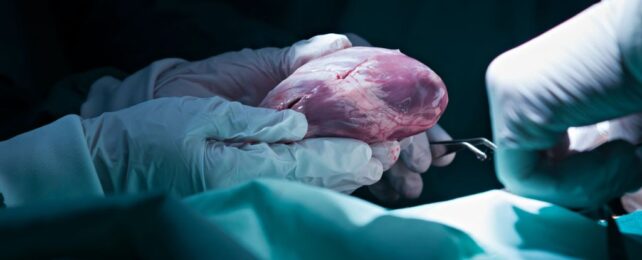
The counter-argument might be that they have free will for some things, and others are beyond their ability to stop — sort of a partial free will.
But I claim free will does not exist in any form, not even a little. Everything we think of as “free will” is our brain giving us orders based on chemicals and neuron communications.
I recognize that proving free will exists is difficult because it’s hard to prove that chemicals and electrical communications do not cause any specific thought.
But I keep seeing evidence free-will doesn’t exist.
Here are excerpts from the latest:
Eerie Personality Changes Sometimes Happen After Organ Transplants, Health, 17 May 2024, By Carly Cassella
Ever since the first human heart transplants back in 1967, patients have reported, often reluctantly, some eerie and inexplicable changes to their personalities.
Following surgery, some say they feel less like themselves and more like their donor. For instance, one transplant recipient in the 1990s reported suddenly developing a love for music after receiving the heart of a young male musician.
“I could never play before, but after my transplant, I began to love music. I felt it in my heart,” she told scientists in a paper published in 2000.
Other transplant recipients say they developed new tastes for food, art, sex, or careers following their surgeries.
Some even claim to have new “memories” implanted.
A 56-year-old college professor received the heart of a police officer killed by a gunshot to the face. After the transplant, the recipient said they had dreams of “a flash of light right in my face… Just before that time, I would get a glimpse of Jesus.” “That’s exactly how Carl died,” the donor’s wife told researchers. She said the main suspect looks “sort of like some of the pictures of Jesus.”
An online survey among 23 heart recipients and 24 other organ recipients found nearly 90 percent experienced personality changes after transplant surgery, no matter the organ they received.
Most of these changes had to do with temperament, emotions, food, identity, religious/spiritual beliefs, or memories.
Brian Carter and his colleagues at CU conclude that “heart transplant recipients may not be unique in their experience of personality changes following transplantation.”
Instead, they argue that “such changes may occur following the transplantation of any organ” and that this demands further research.
Liver or kidney transplant patients in previous studies tend to report changing feelings of stress, anxiety, depression, or other mental health issues.
The “systemic memory hypothesis” predicts that all living cells possess “memory”, and that a transplant recipient can sense a donor’s history through their tissue.
Although a transplant organ’s nerve connections are severed, nerves may still function within the organ. Some evidence suggests nerve connections may be partially restored a year after transplant surgery.
Neurotransmitter interactions based on donor memories might then cause a physiological response to the recipient’s nervous system that impacts their personality.
The study was published in Transplantology.
The study is too small to be definitive, but when added to other facts, it does seem to support the absence of free will.
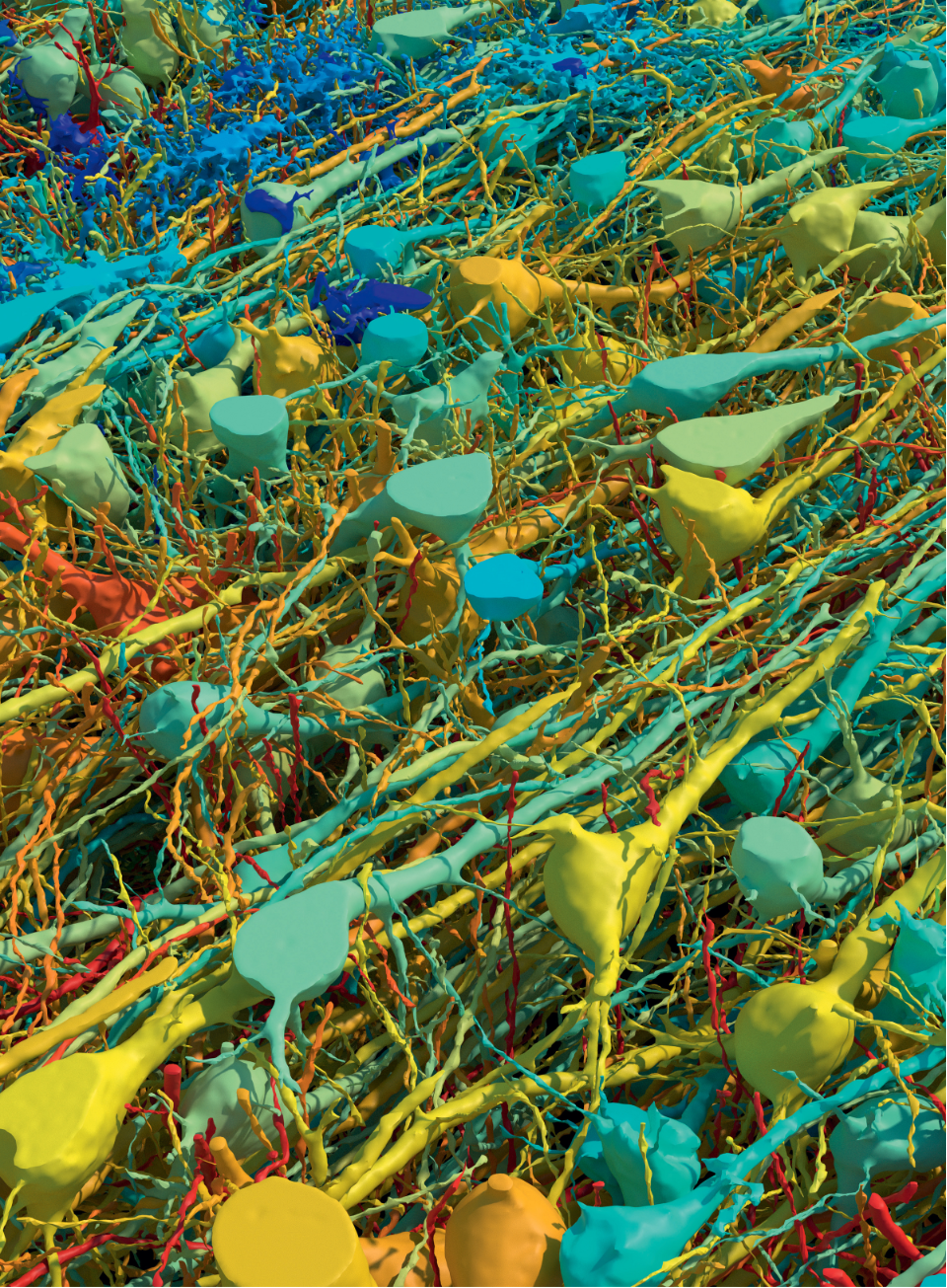
As we age, the brain undergoes synaptic pruning—which essentially “cleans house” by removing less-used neural connections. This process is influenced by several factors:
The brain tends to keep the neural pathways that are frequently used and eliminate those that are rarely activated. By pruning unused connections, the brain can function more efficiently, allowing it to process information quicker and more effectively.
Genetic factors play a role in how and when this pruning occurs. Exposure to new experiences, learning, and mental stimulation can impact which connections are maintained and or pruned.
Essentially, the brain optimizes itself based on our behaviors and experiences, and none of this is under our will or control. It happens without our knowledge.
A child’s brain changes second by second in structure and in the chemical and electrical inputs it receives. These chemicals and inputs continuously change the child’s desires and beliefs.
We all know that what a child thinks today will change tomorrow and every day after that.
We know that a 5-year-old doesn’t have the judgment of a 30-year-old, and let’s not even talk about teenage judgment.
Input and structure, neither of which are under our intentional control, guide our thoughts and actions. Yet some people claim we have “free will.”
How can we have free will if our brains and our inputs keep changing, unintentionally and unbeknown to us?
There can be no argument that drugs not only affect the brain and the body; for many drugs, that is their very purpose.
Antidepressants can help improve mood and reduce symptoms of depression, but they can also cause side effects like changes in sleep patterns, appetite, and energy levels.
Antipsychotics treat conditions like schizophrenia and bipolar disorder, and can affect thinking and behavior, sometimes causing drowsiness or changes in personality.
Stimulants: Drugs like caffeine, nicotine, and prescription medications for ADHD can increase alertness and energy but may also lead to anxiety or irritability.
Benzodiazepines: Often prescribed for anxiety, these can have a calming effect but may also cause drowsiness and changes in mood or behavior.
Opioids: Used for pain relief, these can affect mood and behavior, sometimes leading to euphoria or, conversely, depression and anxiety.
Additionally, our thinking is affected by natural chemicals, which are unique to each person. Dopamine, serotonin, norepinephrine, acetylcholine, glutamate, and gamma-aminobutyric acid all affect thinking, feeling, and acting.
Then we have hormones like testosterone, estrogen, progesterone, and oxytocin, the combination of which can dramatically affect what we think, feel, want, believe, and do.
 #Monetary Sovereignty - Mitchell
You can list all the examples you want, Rodger, say wnything you like, but you are still not covering every inute of every living being’s life. And you keep talking about the brain, as if nobody has a mind. There would be no such separation of mind if mind did not exist.
I would like to know why you are continuing on this path. 2hwt is it to you that some people have free 2ill because they know how to use hheir minds. (Everyone has a mind, just not everyone is taught or self-taught to uee it!)
What do you accomplish by refusing to believe we are persons who can do as we please, despite the effects of chemicals on our brains. I just do not get it.
LikeLike
I get it. I truly am sorry to hear that you believe your brain is not affected by Cortisol, Thyroid Hormones, Estrogen and Testosterone, Insulin. Melatonin, Serotonin, Dopamine. Ghrelin, Leptin, Alcohol, Caffeine, Nicotine, physical exhaustion, thirst, hunger, odors, sound, touch, pain, temperature, disease, age, or all the other inputs your brain can receive.
But, I am most sorry that you don’t even bother to consider all the evidence I’ve provided, and instead dismiss everything based solely on your intuition (which by the way, is influenced by all those chemicals),
But I understand. It’s not something you can change. It’s the inputs.
LikeLike
Infinite regress
LikeLike
My last comment: i NEVER said my brain is not affected by all th9se chemicals, I merely said that is not the whole picture.
LikeLike
If you draw “the whole picture” I will publish it here.
LikeLike