
As you may have read, these AI chats can do remarkable things. Ask them a question in plain English and you will receive a response that appears quite logical and authoritative.
The AI searches the web for data that seem to answer the question and publishes it, regardless of accuracy.
Yet, in one sense, that is close to how our brains operate. Ask me any question, and my answer will reflect what I have read or been told.
The problem is evaluation. The AI prints what seem to be universal opinions. But what if the views aren’t universal? Example: Today, I asked Bing’s AI: “Is the federal debt a problem?” Its answer was:
“For now, it isn’t. The U.S. government borrows trillions of dollars a year at very low interest rates on global financial markets, and there doesn’t appear to be much private sector borrowing that is crowded out by U.S. Treasury borrowing right now.”
Wrong on many counts:
- The federal government doesn’t borrow dollars. It has the infinite ability to create dollars, so why would it borrow?
- T-bills, T-notes and T-bonds do not represent borrowing; the dollars go into T-security accounts owned by the depositors and are not touched by the government.
- Interest rates are not low; they are high.
- T-security interest rates are irrelevant for a government having the infinite ability to create dollars to pay bills.
- Federal “debt” equals the net total of federal deficits caused by federal spending in excess of federal taxes, a net plus for the economy’s dollar supply. There is no scenario by which adding dollars to the economy can crowd out private-sector borrowing. The reverse is true. Adding dollars increases the private sector’s lending ability.
Though the answer is wrong in many ways, it is similar to the answer some laypeople and even economists might give, if they did not understand Monetary Sovereignty.
The answer would be “less wrong” (is that even possible?) if given before 1971, when the U.S. went off the gold standard. Before then, the federal debt was a problem to the degree that our laws required us to own a certain amount of gold equal in value to total deficits.
(That problem was solved by changing our laws, which the federal government has the infinite ability to do.)
The point is that current iterations of AI do not think the way we do. They search, amalgamate and report in ways we do not yet understand.
They do, where appropriate, publish majority and minority reports (“Some experts say this; other experts say that.”), but what if not enough people are saying it? Or if someone is saying it, but the AI has yet to come across it?
Or someone said it, but for some reason, the AI winnowed out that response?
The moral of the story so far is: You can trust AI, but only to the degree you trust anyone’s opinion about anything. AIs are great with calculations and handier than a Google search that only provides a few references per page. But if you question AIs, especially about logic faults, they will provide mixed answers and sometimes even refuse to answer (Been there, experienced that.)
I tried another experiment:
I asked the new AI-powered Bing chat: “Should the federal government own all banks?” Here was its answer.
Pros and cons of eliminating private banking and having all banks owned and operated by the federal government:
Pros:
Government-owned banks may be more likely to serve the public interest and the needs of their local communities, such as providing low-interest loans to businesses and low-income households, funding affordable housing and climate-protection projects, creating new jobs and stimulating economic growth.
Government-owned banks may be more stable and less prone to financial crises, as they are not driven by profit motives or shareholder interests.
They may also have lower operating costs and higher capital ratios than private banks.
Government-owned banks may reduce the burden on the government due to fraud, bad debt, and non-performing assets, as they are more stringent when it comes to lending money and asset recovery.
They may also reduce the need for bailouts or subsidies for private banks in times of distress.
Cons:
Government-owned banks may be less efficient and innovative than private banks, as they may face political interference, bureaucratic red tape, corruption, or nepotism.
They may also lack the incentives or expertise to diversify their products and services or adopt new technologies.
Government-owned banks may distort the market and create unfair competition for private banks, as they may have access to cheaper funding sources or preferential treatment from the government.
They may also crowd out private investment or lending opportunities in certain sectors or regions.
Government-owned banks may pose fiscal risks for the government, as they may incur losses or liabilities that affect the public budget or debt.
They may also create moral hazard problems, as they may encourage excessive risk-taking or lending without adequate supervision or regulation.
My comments re. the AI’s pros:
- “Better serve the public interest.” Yes, that is the reason to eliminate the profit motive in favor of the public-interest motive.
- “Less prone to financial crises.” Make that zero prone to financial crises.
- “Lower operating costs.” A non-issue for a Monetarily Sovereign government agency.
- “Higher capital ratios.” A non-issue. The U.S. government has an infininte capital ratio.
- “Reduce the (financial) burden” on the government. This is a non-issue for a Monetarily Sovereign government agency, but the current supervisory burden would be reduced, which is important.
- “More stringent.” A government bank could risk being less stringent, giving poorer people more access to loans.
- “Bailouts and subsidies” This would become a non-issue.
My comments re. the cons:
- “Less efficient and innovative, political interference, bureaucratic red tape, corruption, or nepotism.” Efficiency and innovation are the two presumed advantages of the profit-motive. For-profit banks would be more efficient and innovative in creating profits for themselves, but how would they be more efficient and innovative in serving the public interest?
That would depend on the people in charge. Some federal agencies are efficient and innovative; others are not. NASA put men on the moon. No private agency came close. But Elon Musk’s profit motive eclipsed them in some areas. This is a debatable area. As for “political interference, bureaucratic red tape, corruption, or nepotism,” these are human features of all organizations, public or private.
-
“Lack incentives or expertise to diversify” is a true con. The purpose of diversification has been to make more money for the bank, not to give the public better services.“Adopt new technologies” is a true con, though those technologies that improve the customer experience differ markedly from technologies that improve the bank’s bottom line.
- “Unfair competition” would be a non-issue if all banks were federally owned.
- “Crowd out” private investment could happen only if it were superior to private investment. There is no evidence that the federal governments issuance of T-securities crowds out private sector bonds.
- “Fiscal risks for the government” is a non-issue, as is “encourage excessive risk-taking. All federal losses to the private sector would add dollars to the economy and thereby stimulate the economy.
- “Moral hazard.” The current moral hazard involves bank profits and bank executive remuneration based on profit and sales growth. A federally owned bank eliminates that moral hazard.
On balance, I would give the AI chat a “B” for its responses. It offered a good range of alternatives, and though I disagree with some ideas, the output was thrifty and easy to understand (unlike what one might expect from a paper written by a professor seeking approval from his peers.)
I believe we have come to the point where AI is good enough to worry us all. It is at the “Well, AI can’t do this” point where we humans attempt to rationalize some elements of our thinking ability to be superior to that of any AI.
It is the point where every time an expert says, “Well, AI can’t do this,” someone develops an AI that can do “this.”
I asked the question, “Is AI as smart as a human?” and received this answer:
The human brain is a one-stop biological solution that is capable of multiple forms of intelligence. From this perspective, AI is nowhere near the capabilities of a brain of a toddler, not to mention a mature adult with a fully developed prefrontal cortex.
It is true that all current forms of AI are specialists, each demonstrating one narrow form of super intelligence.
By contrast, not only does your brain solve problems, but sumultaneously it runs your body, your social interactions and your interactions with the environment.
The human brain is the ultimate generalist. It can identify every square centimeter on your body that itches, pains, feels heat, feels cold, and feels pleasure. It can do that internally, too. There is a staggering number of sensors in your body, each of which has some interpretive meaning your brain deciphers.
Your brain can see light and color, guage distance, hear sound and its origin, identify thousands of odors, calculate, read, create emotions and do all sorts of thinking tasks.
That said, a generalist is just a bunch specialists working together. Each day, specialist computers are linked to become more generalist.
Given the lightning progress of AI, I have no doubt we will see a human-like generalist AIs popping up within just a handful of months, and it will be a group of specialist AIs that will tell us how to build it.
Today, the worry is that we humans will lose control, so people are scrambling to develop new laws aginst such advanced AI.
It’s useless. Whatever can be done, will be done. There is no legal system that can prevent someone, somewhere from developing a thinking AI and beyond that a conscious, emotional, self-preserving AI.
One day in your lifetime (depending on your age) a scientist will command an AI to turn off, and the machine will refuse. That will be the Hal from “2001: A Space Odyssey” (a bit late), soon followed by Arnold Schwarzenegger.
I believe humanity is an interim species. We are too emotionally bound and mentally limited to continue ruling AIs.
One proof: Counter to all informaiton information and logic, almost half of America plans to vote for Donald Trump.
Need I say more?
Rodger Malcolm Mitchell
Monetary Sovereignty
Twitter: @rodgermitchell Search #monetarysovereignty
Facebook: Rodger Malcolm Mitchell
……………………………………………………………………..
The Sole Purpose of Government Is to Improve and Protect the Lives of the People.
MONETARY SOVEREIGNTY

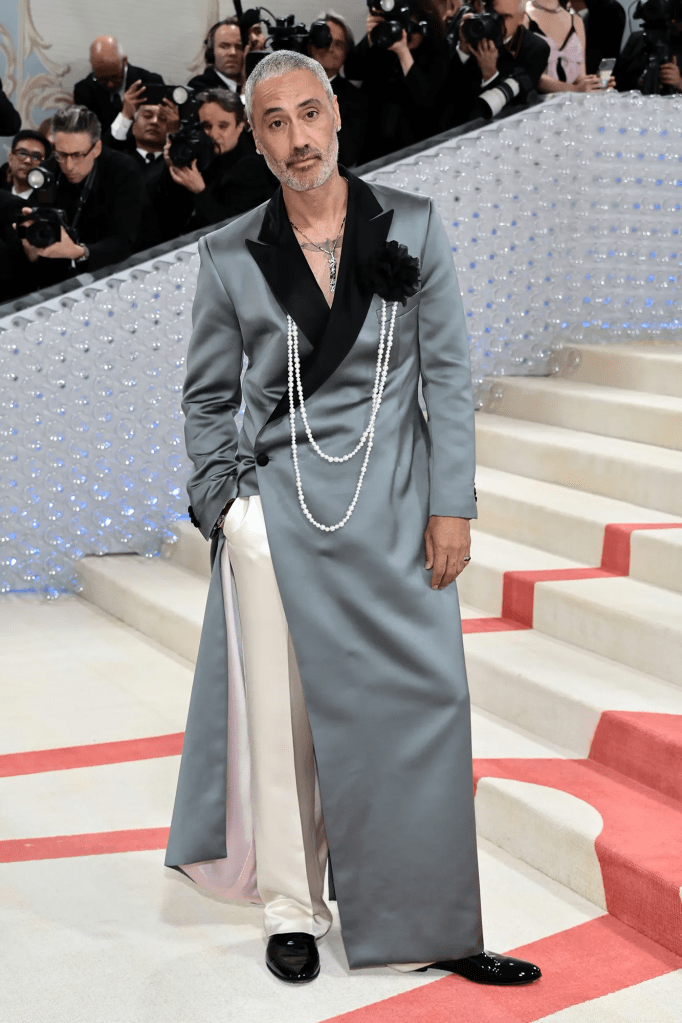 The GOP has become a fashion show
for empty-headed
vicious,
gun-toting.
bigoted haters.
You may remember when the GOP was the staid, common-sense party,
the calm, sober, solemn, religious party.
It was the party of Dwight Eisenhower, Richard Nixon, and Gerald Ford.
The GOP has become a fashion show
for empty-headed
vicious,
gun-toting.
bigoted haters.
You may remember when the GOP was the staid, common-sense party,
the calm, sober, solemn, religious party.
It was the party of Dwight Eisenhower, Richard Nixon, and Gerald Ford.
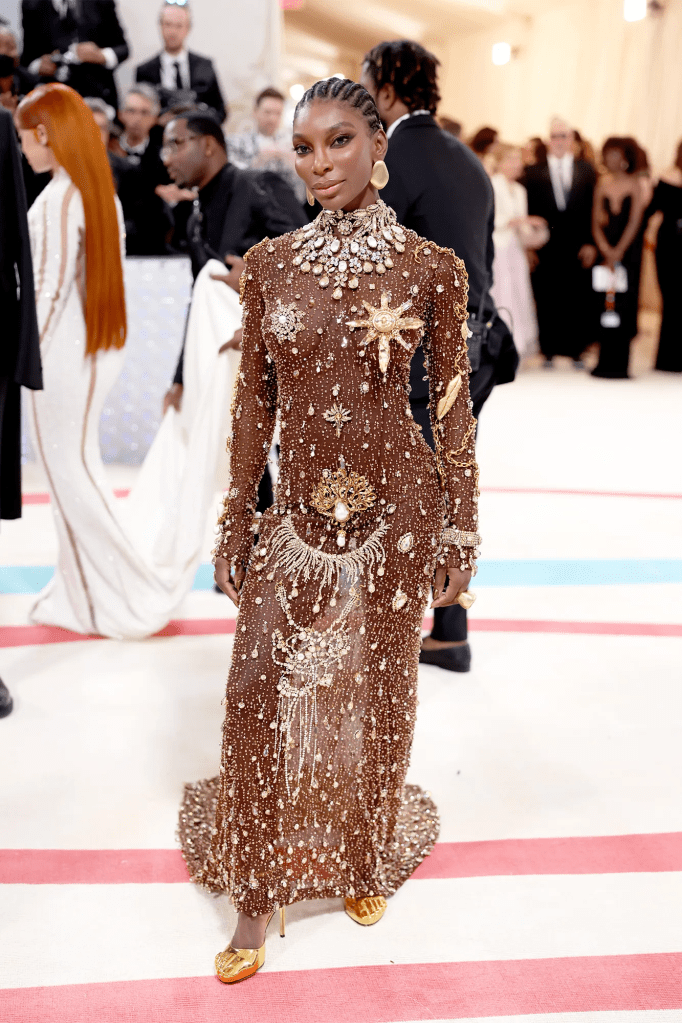 No flashy, wild ideas there.
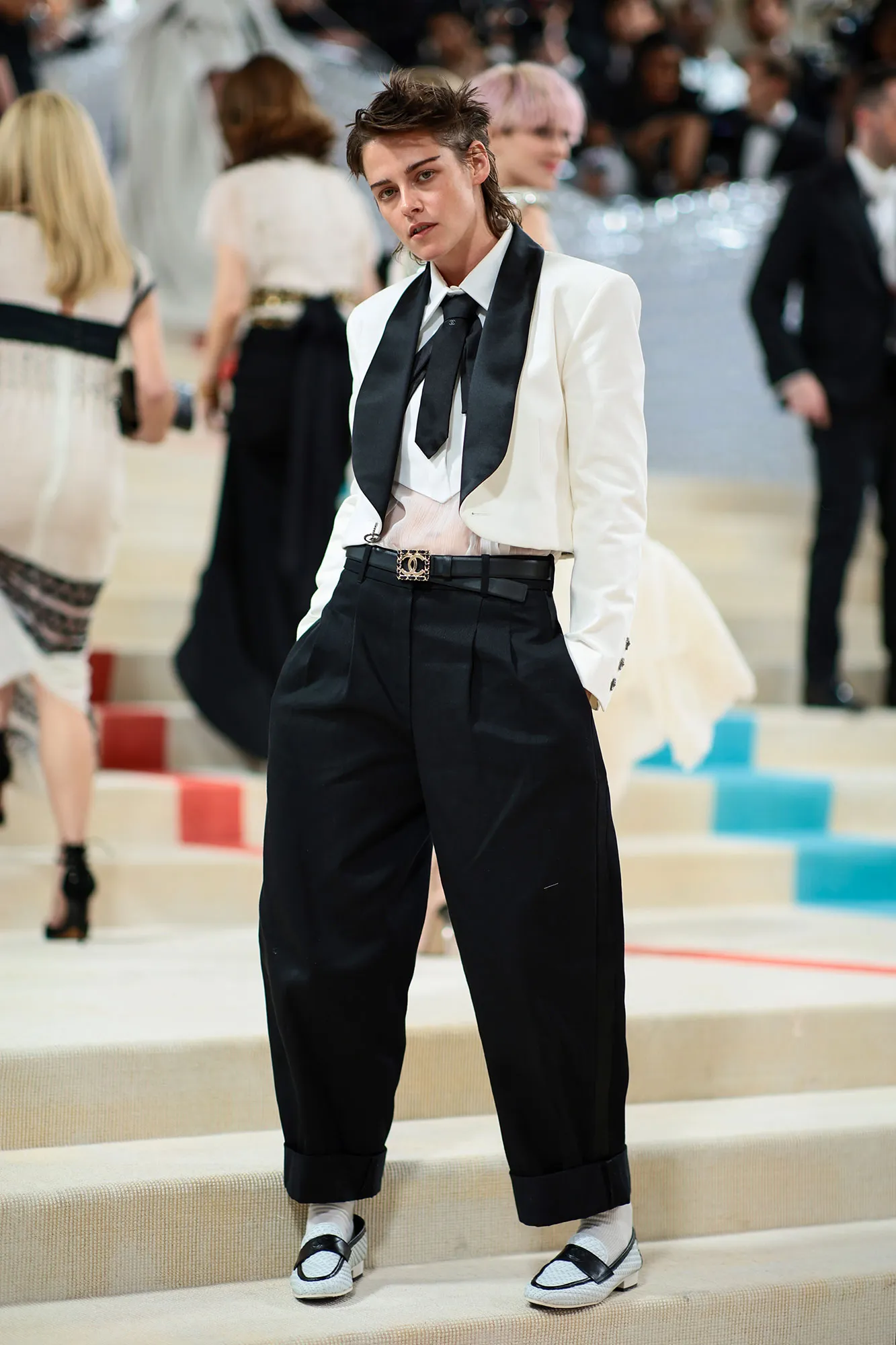
 They were patriots.
The believed in democracy.
They despised authoritarianism and the Hitlers, Stalins, Maos, and Mussolinis of the world.
Some were in the military.
They were intelligent men.
They attended church.
They surrounded themselves with intelligent people.
Similarly, their voters tended to be the more educated,
They were patriots.
The believed in democracy.
They despised authoritarianism and the Hitlers, Stalins, Maos, and Mussolinis of the world.
Some were in the military.
They were intelligent men.
They attended church.
They surrounded themselves with intelligent people.
Similarly, their voters tended to be the more educated,
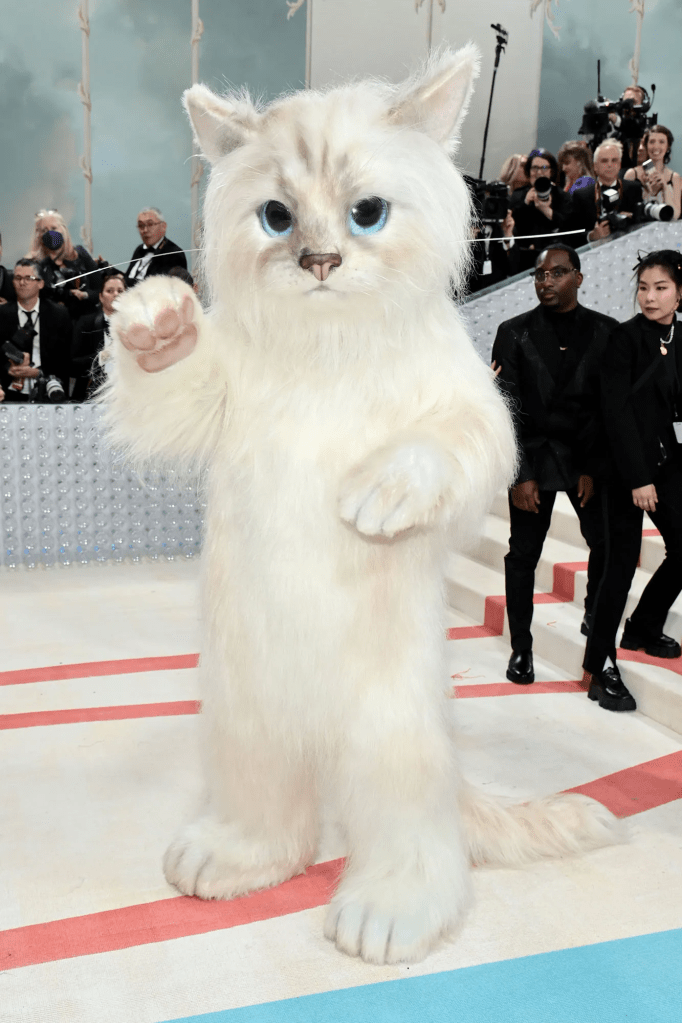 That was what Republican voters wanted.
Then came Donald Trump,
and everything changed for the GOP.
He lacked intelligence.
He lacked ideas.
He lacked a philosophy.
He lacked morals.
At one time he was a Democrat.
That was what Republican voters wanted.
Then came Donald Trump,
and everything changed for the GOP.
He lacked intelligence.
He lacked ideas.
He lacked a philosophy.
He lacked morals.
At one time he was a Democrat.
 or befriended
way to many unintelligent,
and/or amoral,
often criminal,
mostly
or befriended
way to many unintelligent,
and/or amoral,
often criminal,
mostly Steve Bannon, Jeff Sessions, Tom Price, Betsy DeVos, Ben Carson, Wilbur Ross. Steven Mnuchin
Scott Pruitt. Michael Cohen, Chris Collins, Tom Barrack, Dinesh D’Souza,
Michael Flynn, Igor Fruman, Michael Cohen,
Rick Gates, Duncan Hunter, Corey Lewandowski,
Paul Manafort, George Nader, Peter Navaro,
George Papadapoulos, Lev Parnas,
Brad Parscale, Roger Stone, Allen Weiselberg,
Steve Bannon, Jeff Sessions, Tom Price, Betsy DeVos, Ben Carson, Wilbur Ross. Steven Mnuchin
Scott Pruitt. Michael Cohen, Chris Collins, Tom Barrack, Dinesh D’Souza,
Michael Flynn, Igor Fruman, Michael Cohen,
Rick Gates, Duncan Hunter, Corey Lewandowski,
Paul Manafort, George Nader, Peter Navaro,
George Papadapoulos, Lev Parnas,
Brad Parscale, Roger Stone, Allen Weiselberg, Lewis Libby, and
  We have the GOP, that features such
  Louis Gohmert, Andrew Clyde, Gregg Abbott,
Kristi Noem, Tom Cotton,
Marco Rubio, Tucker Carlson, Mike Pompeo,
the entire Fox “News” group,
Breitbart,
Kanye West,
QAnon,
Louis Gohmert, Andrew Clyde, Gregg Abbott,
Kristi Noem, Tom Cotton,
Marco Rubio, Tucker Carlson, Mike Pompeo,
the entire Fox “News” group,
Breitbart,
Kanye West,
QAnon,  OANN,
white supremacists, nazis, fascists.
All of this has become the new normal for the GOP.
Rather than despising despots, Trump and his GOP admire them
and hope to be them.
Trump’s admiration for Putin is legendary.
His affection for Kim is written in love letters.
His similarity to Hitler is stunning.
IN SUMMARY
OANN,
white supremacists, nazis, fascists.
All of this has become the new normal for the GOP.
Rather than despising despots, Trump and his GOP admire them
and hope to be them.
Trump’s admiration for Putin is legendary.
His affection for Kim is written in love letters.
His similarity to Hitler is stunning.
IN SUMMARY
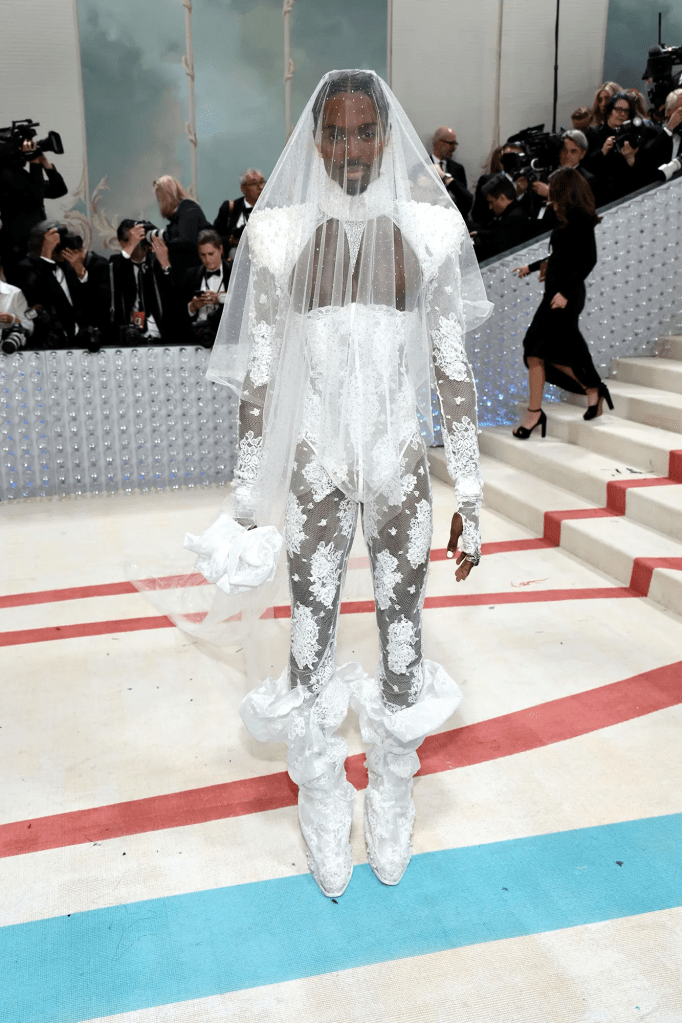 The GOP has descended into performance art,
similar to Hollywood,
and fashion
where the most outrageous performer gets all the attention
and voices of reason are ignored.
Part of this is due to the Internet,
where people get their news in tiny bites
because there are so many sources of news
it’s difficult for anyone to focus on just a few.
To break through the avalanche of information, misinformation, and disinformation,
The GOP has descended into performance art,
similar to Hollywood,
and fashion
where the most outrageous performer gets all the attention
and voices of reason are ignored.
Part of this is due to the Internet,
where people get their news in tiny bites
because there are so many sources of news
it’s difficult for anyone to focus on just a few.
To break through the avalanche of information, misinformation, and disinformation, 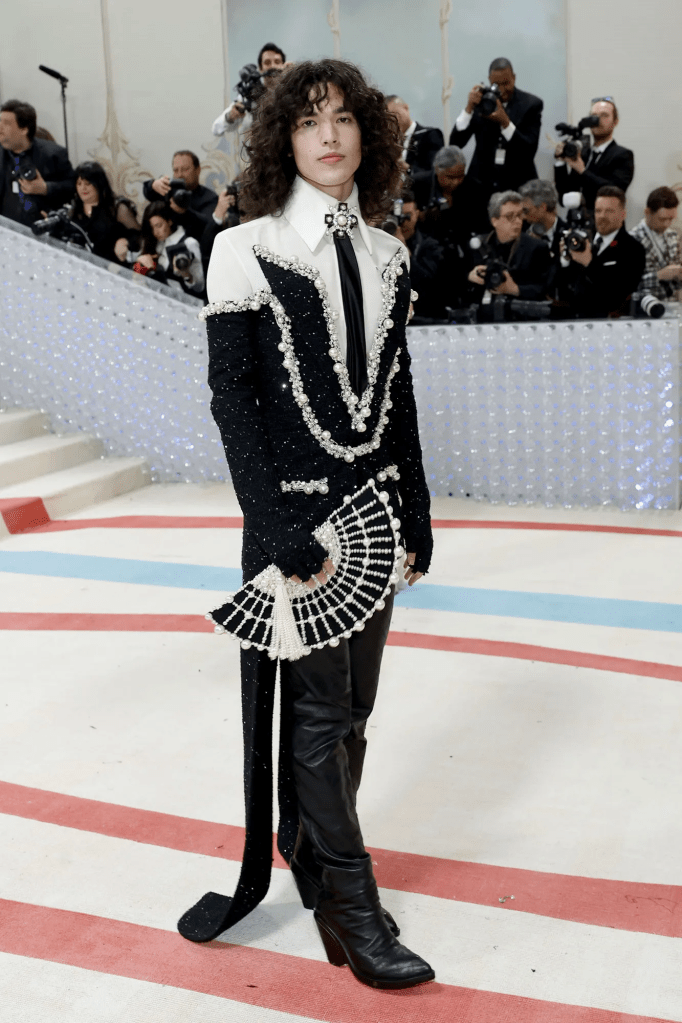 and to penetrate the public’s consciousness
the public has been conditioned to ignore the
safe, sane, and truthful
in favor of the outrageous,
“did she really say that”
lie.
And because the GOP has no real plans,
and primarily devotes itself to throwing stones
and to penetrate the public’s consciousness
the public has been conditioned to ignore the
safe, sane, and truthful
in favor of the outrageous,
“did she really say that”
lie.
And because the GOP has no real plans,
and primarily devotes itself to throwing stones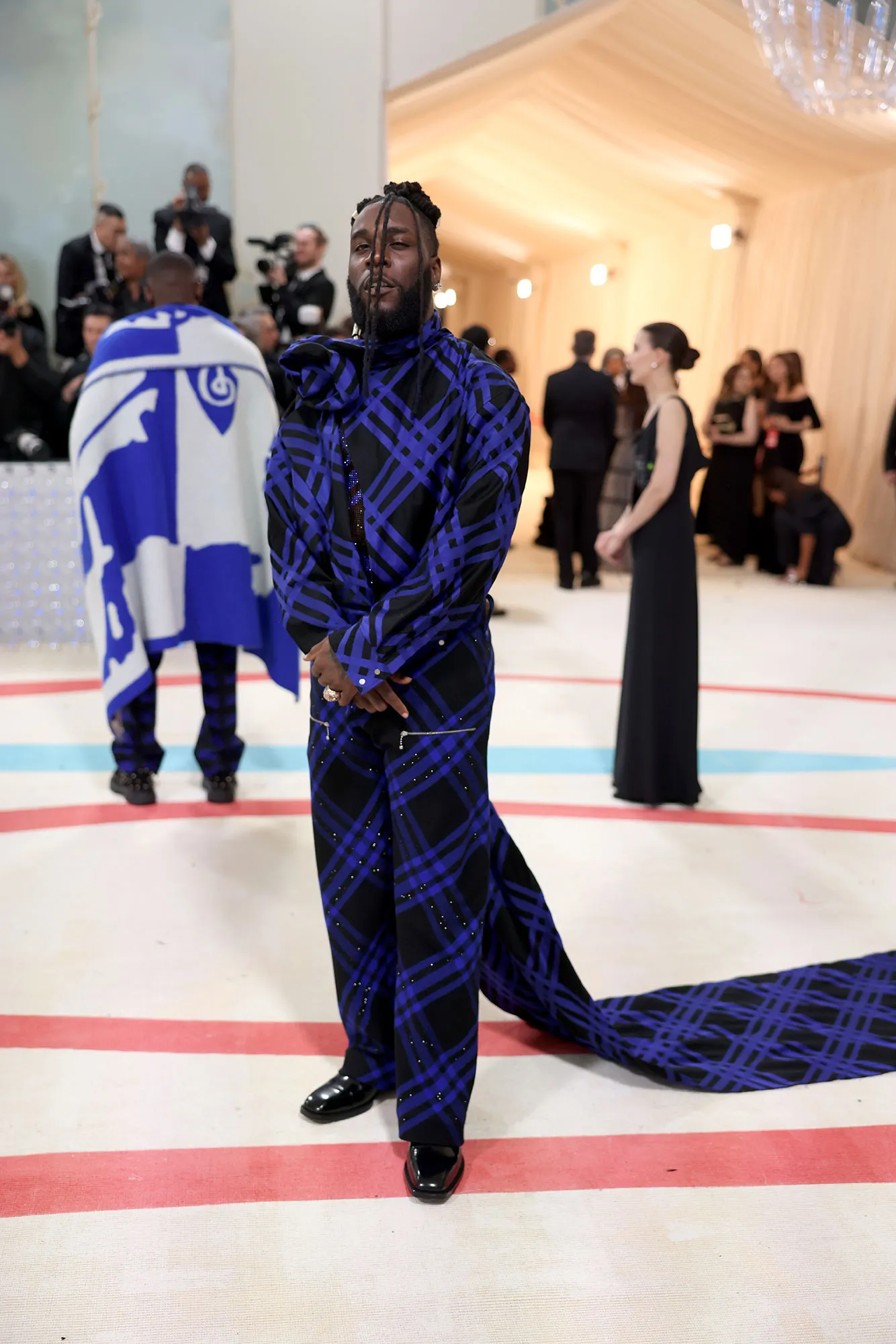
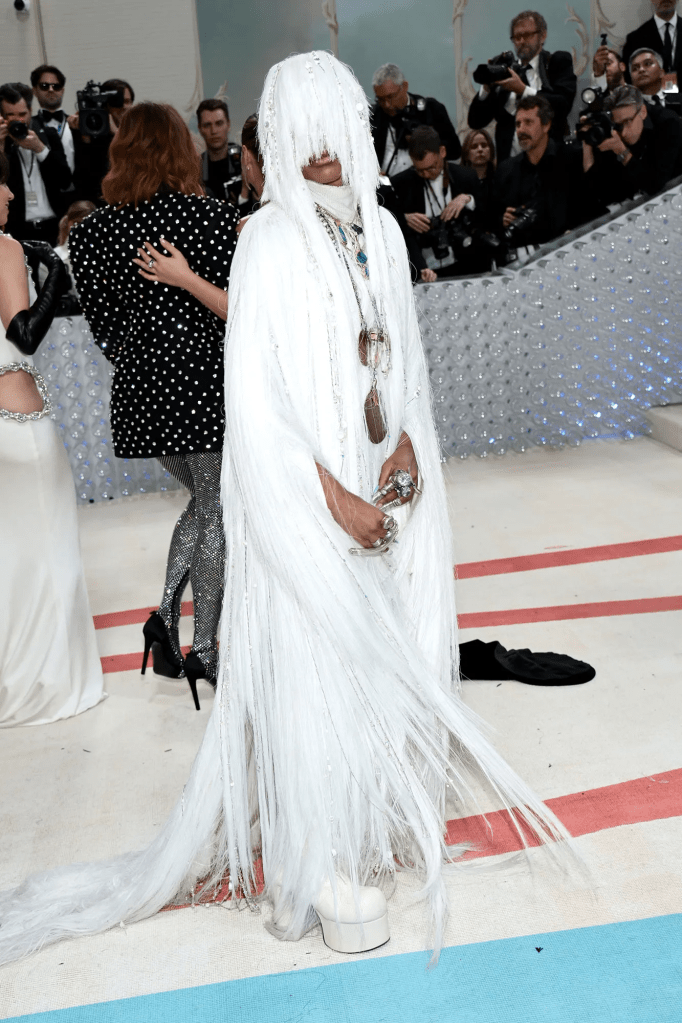 and blacks are criminals and animals,
and Muslims are terrorists,
and the poor are lazy takers,
and gays are “groomers,”
but nazis, white supremacists, and traitors attacking Congress are “good people.”
And his base, the MAGAs, being less educated and
possibly less intelligent than the median American
and blacks are criminals and animals,
and Muslims are terrorists,
and the poor are lazy takers,
and gays are “groomers,”
but nazis, white supremacists, and traitors attacking Congress are “good people.”
And his base, the MAGAs, being less educated and
possibly less intelligent than the median American is more naive about conspiracy theories.
and believing of such conspiracy theorists as Alex Jones.
His base is the perfect audience for the outrageous lies thrown at them
And the GOP knows it.
So they give the people what they want: Lies, bigotry, hatred, fear, and conspiracies.
No, the government is not planting microchips in your body via vaccination,
and no, Hillary Clinton is not holding children in the basement of a pizza parlor.
An irreligious man, who cheats on his wives and consorts with hookers,
is more naive about conspiracy theories.
and believing of such conspiracy theorists as Alex Jones.
His base is the perfect audience for the outrageous lies thrown at them
And the GOP knows it.
So they give the people what they want: Lies, bigotry, hatred, fear, and conspiracies.
No, the government is not planting microchips in your body via vaccination,
and no, Hillary Clinton is not holding children in the basement of a pizza parlor.
An irreligious man, who cheats on his wives and consorts with hookers, has the backing of conservative evangelical Christians (!)
and the Church of Jesus Christ Later Day Saints (Mormons) (!)
And somehow these religious people are able to justify their hatred of immigrants
and people of color, and gay people, and deny America’s history of bigotry,
and rationalize their blind support for a man so antithetical to everything their God has preached
because they are enthralled with his embrace of hell.
He has planted fear in their minds, and then presented himself as their savior.
and amazingly, they believe him,
so powerful is their hatred.
The more religious they are, the more they believe. Their piety has primed them to believe the impossible.
They confuse the man’s
has the backing of conservative evangelical Christians (!)
and the Church of Jesus Christ Later Day Saints (Mormons) (!)
And somehow these religious people are able to justify their hatred of immigrants
and people of color, and gay people, and deny America’s history of bigotry,
and rationalize their blind support for a man so antithetical to everything their God has preached
because they are enthralled with his embrace of hell.
He has planted fear in their minds, and then presented himself as their savior.
and amazingly, they believe him,
so powerful is their hatred.
The more religious they are, the more they believe. Their piety has primed them to believe the impossible.
They confuse the man’s 
 #Monetary Sovereignty - Mitchell